Quick answer
A complete tiny home inspection covers 23 points across 6 categories: structural (4), mechanical (4), plumbing (4), electrical (4), exterior (4), and interior finish (3). Use the printable list below at delivery. Anything that fails goes on the punch list before you sign acceptance.
Why a structured walkthrough matters
Of the deliveries I’ve attended, more than 80% had at least one minor punch-list item — a loose drawer pull, a smudged window, a caulk crack from road vibration. About 5% had a meaningful issue: a non-firing GFCI, a missing roof cap shingle, a hot water heater that wasn’t pre-charged. None of these are dealbreakers when caught at delivery. All of them are expensive headaches if you sign off without checking.
Use the 23-point list below in the order written. It mirrors the workflow professional inspectors use and minimizes back-and-forth.
Category 1: Structural (4 points)
- Frame and chassis level. Walk the perimeter outside. The unit should sit level within 1/4 inch end to end. Use a 4-foot bubble level on the floor inside.
- Roof penetrations sealed. Inspect every vent boot, plumbing stack, satellite mount, and skylight from the ground with binoculars or a phone zoom. Flashing must be intact and sealed.
- Wall plumb and corners square. Open and close every door — sticky doors mean the unit racked in transit.
- Subfloor solid. Walk every square foot. No spongy spots, no creaks at transitions, no gaps at thresholds.
Category 2: Mechanical (4 points)
- HVAC startup test. Run heat for 5 minutes, AC for 5 minutes. Check supply temperature at every vent.
- Hot water heater. Pilot lit (gas) or breaker on (electric). Run hot water at every faucet for 30 seconds.
- Range/oven function. Light every burner, run the oven to 350F. Check that the hood vent moves air.
- Refrigerator and ice maker. Confirm cooling, ice maker line connected, drain pan clean.
Category 3: Plumbing (4 points)
- All faucets. Hot and cold at kitchen, bathroom sink, shower, tub. No drips, no air-hammer shudder.
- Toilet flush. Full flush, full refill, no rocking on the floor.
- Drains. Run water 60 seconds at every drain. Listen and look under every sink.
- Visible supply lines. Open access panels. Lines should be PEX or copper, supported, not abraded against framing.
Category 4: Electrical (4 points)
- GFCI test. Press TEST and RESET on every kitchen, bath, and exterior outlet. Buy a $12 outlet tester for $3 of your time.
- Breaker panel labels. Every breaker labeled, panel cover seated flat, no scorch marks.
- Lighting. Every switch operates the correct fixture. Dimmers smooth, no flicker.
- Smoke and CO detectors. Press TEST. Tone should be loud and immediate. Note replacement date on the back.
Category 5: Exterior (4 points)
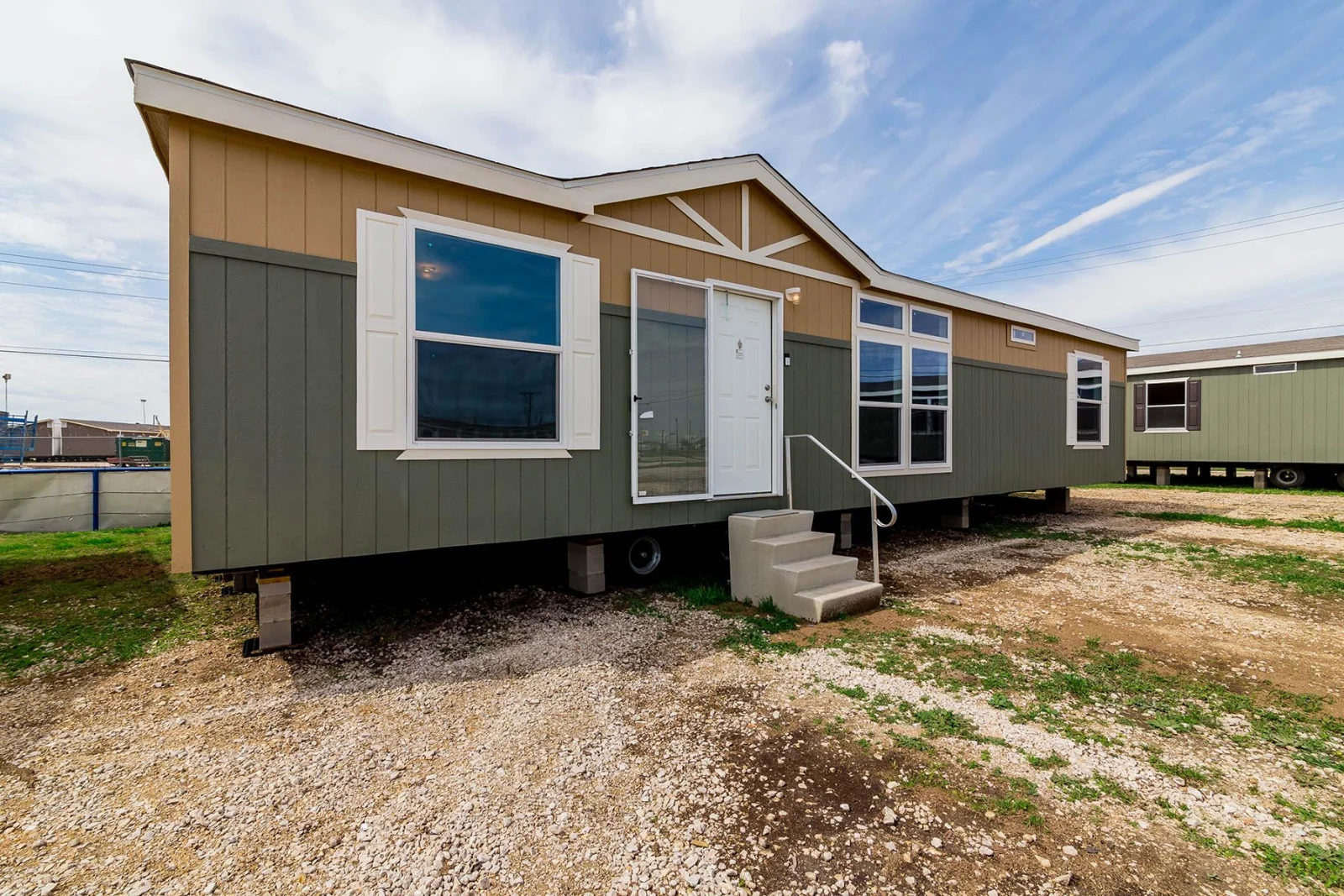
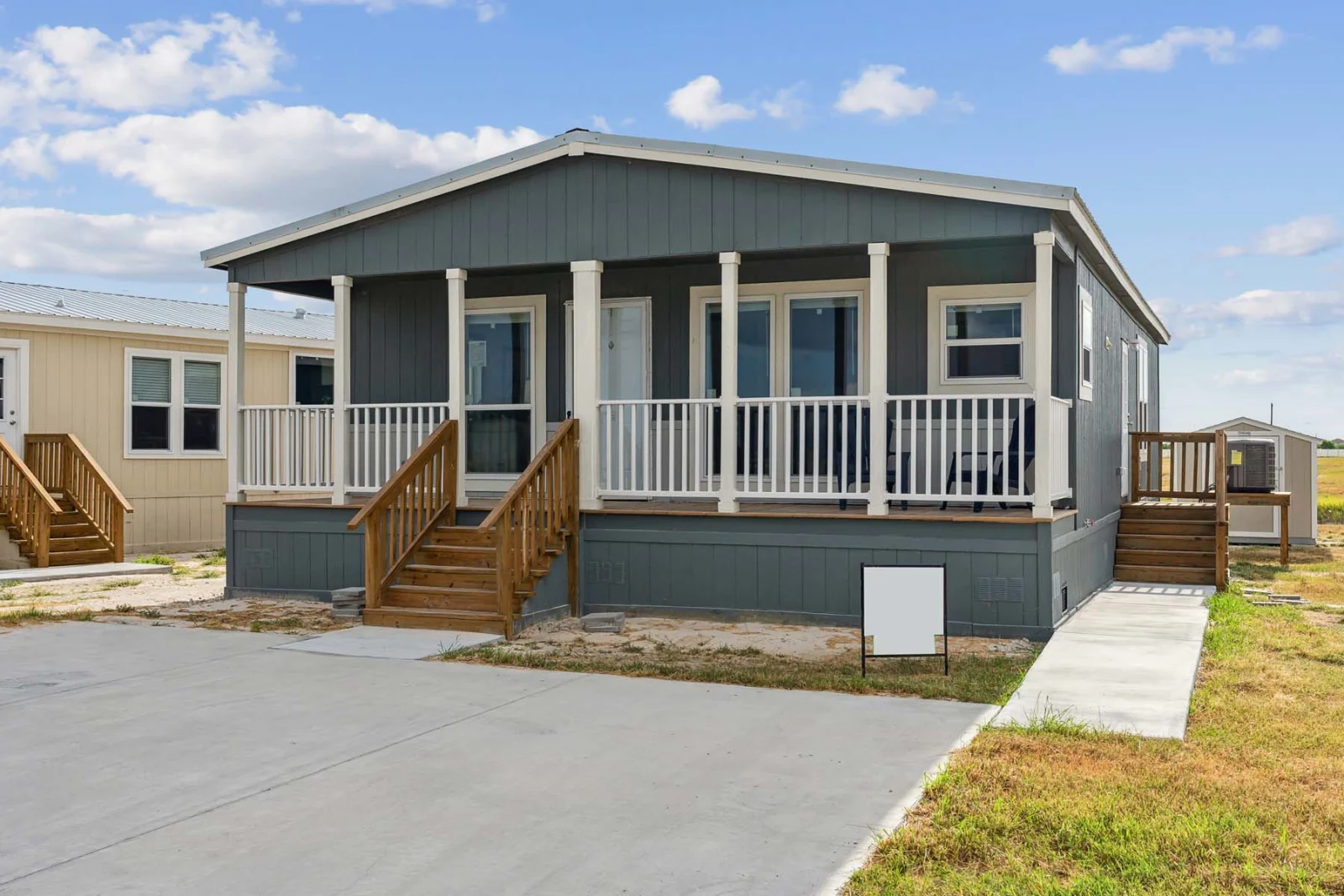
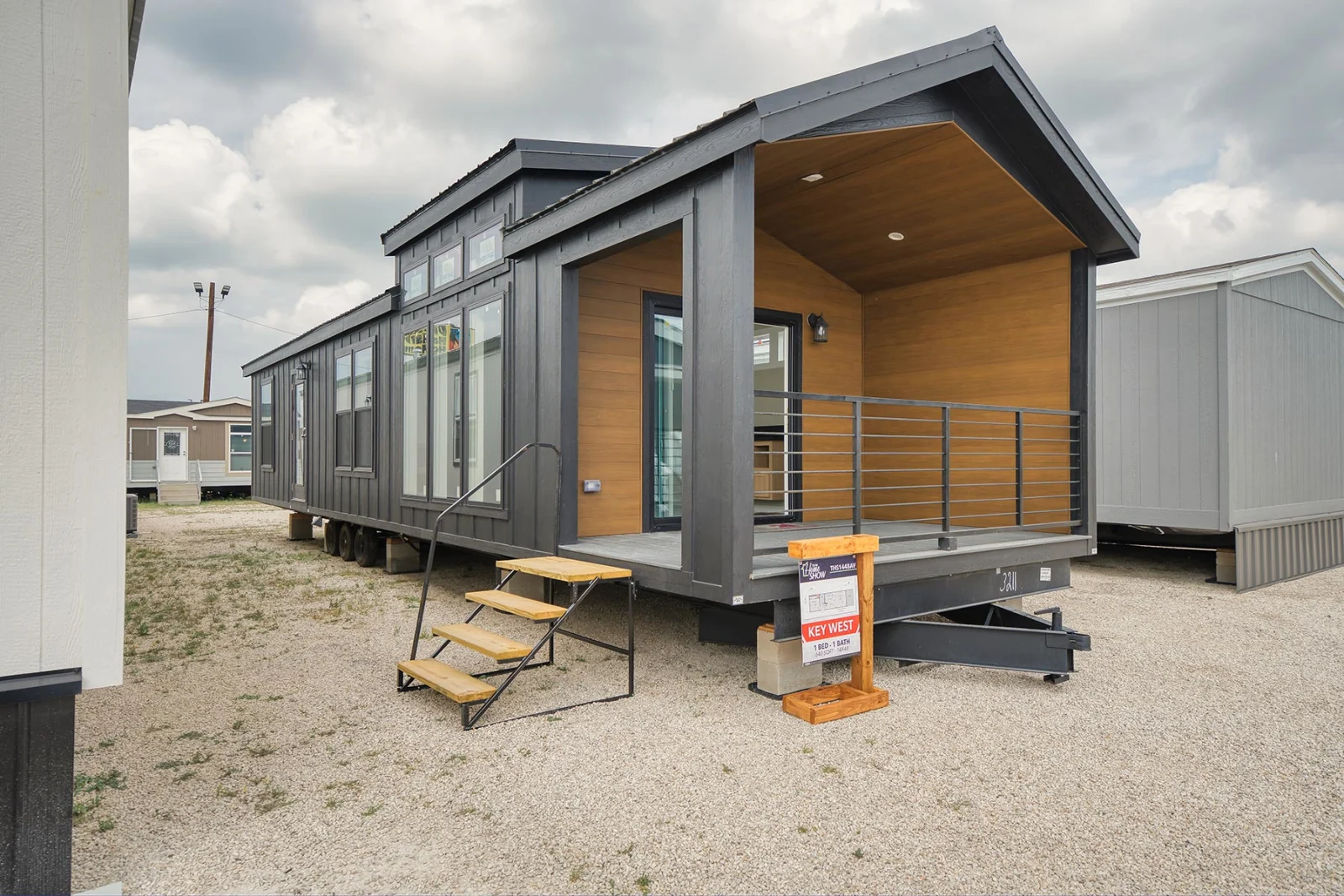
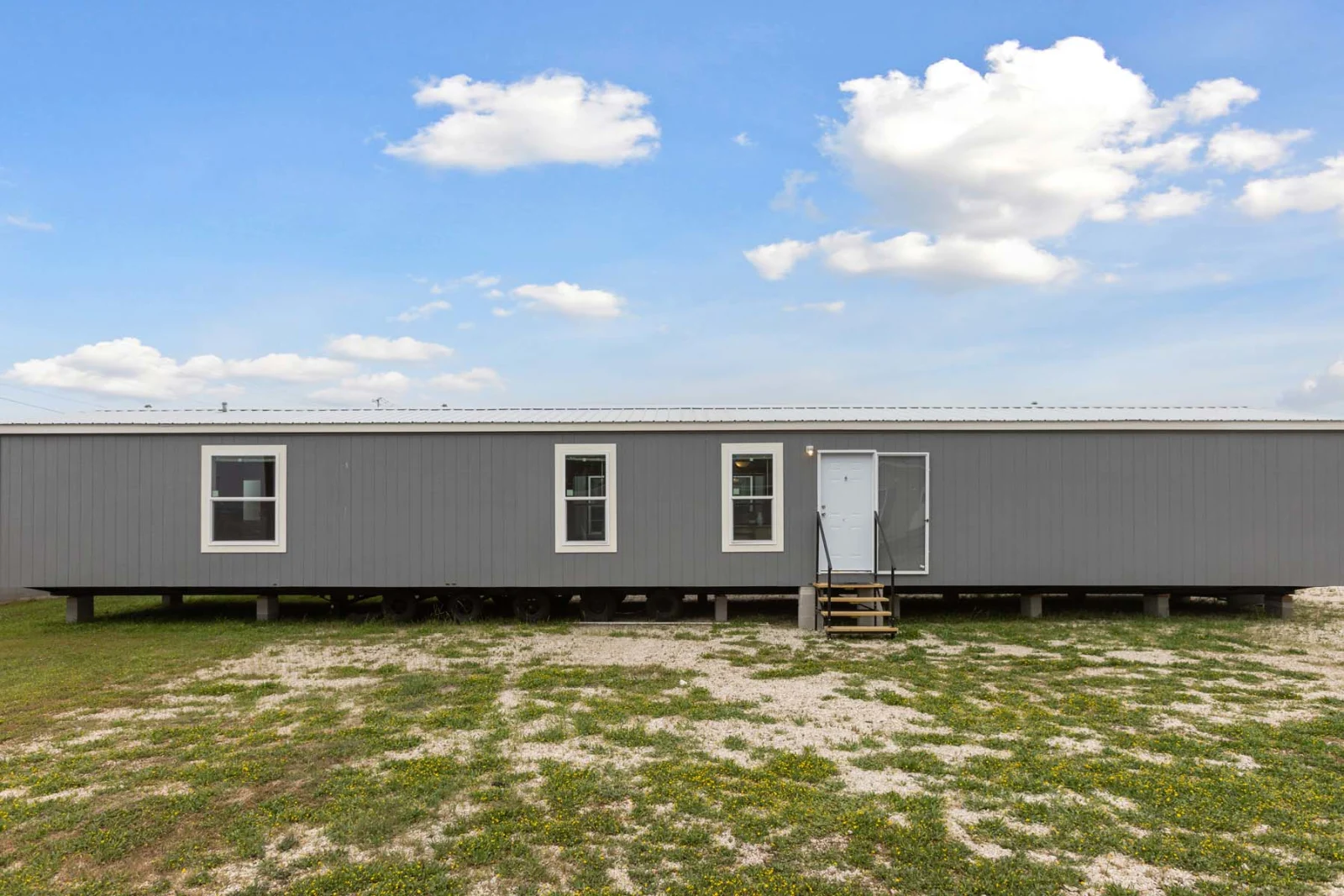
- Siding and trim. Walk the perimeter. Look for popped fasteners, transit dings, gaps at corners.
- Windows and doors weather-sealed. Run a hand around the seal. Look for daylight from inside with the door closed.
- Skirting and tie-downs (if installed). Tie-downs torqued, anchors hit grade per local code.
- Utility connections. Water inlet doesn’t leak under pressure, sewer connection sealed, electrical service tight at the meter.
Category 6: Interior finish (3 points)
- Floor coverings. No tears, no lifted seams, transitions tight.
- Cabinets and hardware. Doors close flush, drawers slide smooth, knobs and pulls tight.
- Paint and caulk. Touch-up paint provided. Caulk lines clean at countertops, tubs, and trim.
Information gain: the punch-list playbook
Here’s the protocol that keeps small issues from becoming arguments.
1. Take photos as you go. Date-stamped phone photos are unimpeachable evidence. Take 3–5 per item even when nothing’s wrong.
2. Write the punch list together. Your delivery driver is usually authorized to sign for the builder. Hand them the list, ask them to initial each line, and email a photo of the signed sheet to yourself before they leave.
3. Set a 30-day cure window. Industry standard is that small punch-list items get resolved within 30 days. Document that timeline in writing on the sheet.
4. Hold 5% of payment if possible. If your contract allows, hold 5% pending punch-list completion. This is rare but a strong tool when it’s available.
Print-friendly version
Save this page or print it before delivery day — the 23 numbered points read top to bottom in roughly the order you’ll walk the unit. For the upstream side of the process, see our 7-step site preparation guide. To talk through any inspection finding with a specialist, call (432) 242-3232 or message /contact-tiny-homes/.
See also: used tiny homes inspection guide — the same checklist plus 9 used-specific red flags to walk away from.