Quick answer
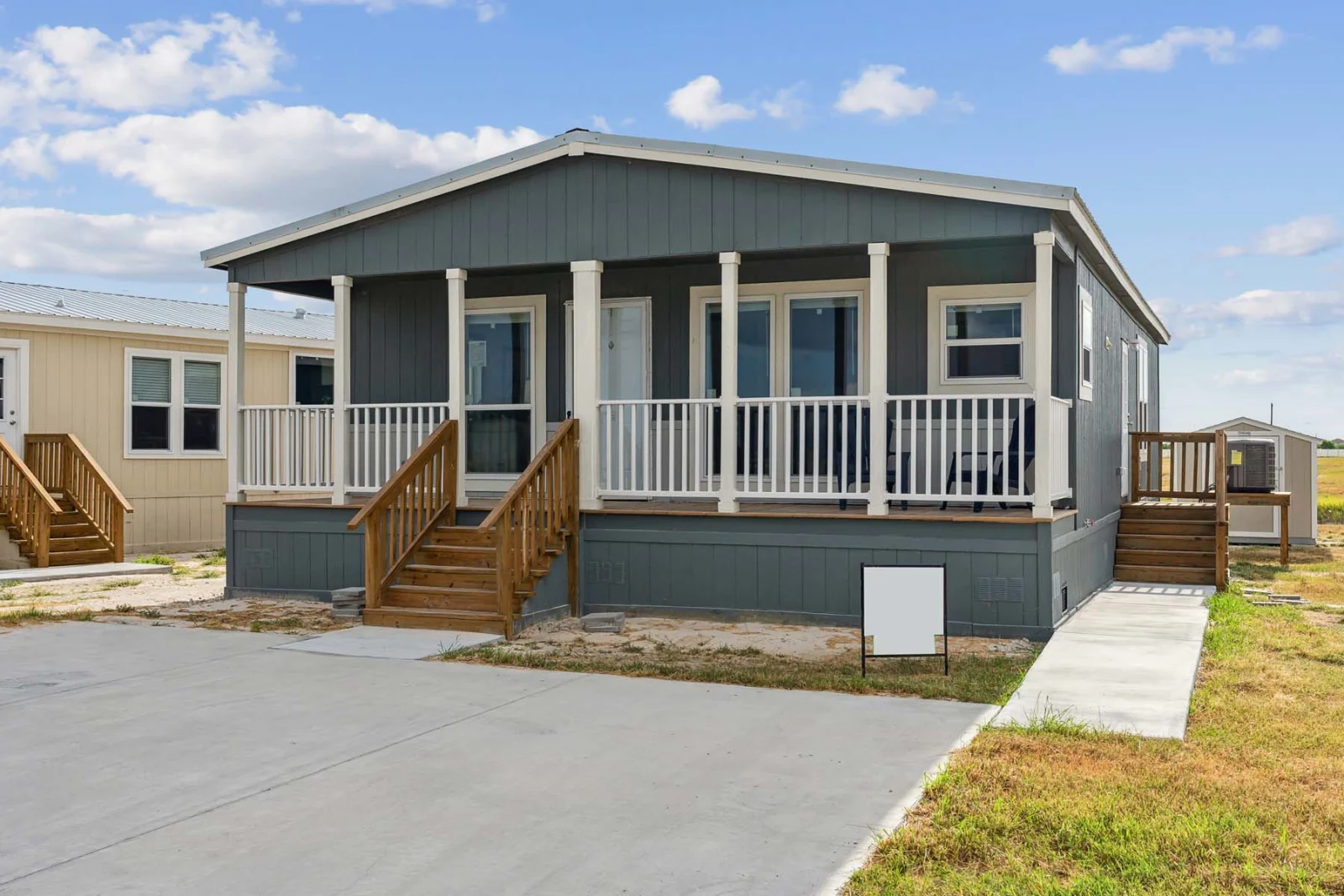
Clearance tiny homes are units a dealer needs to move fast — usually because they are aging stock, discontinued floor plans, cancelled custom orders, or show units. Discounts run 8-22% off MSRP. Always confirm warranty status, inspect for outdoor exposure, and verify the unit hasn’t been sold and returned before depositing.
Why clearance tiny homes exist
Most tiny home builders run a finite production line. When a model gets refreshed, when a custom order falls through, or when a unit has been on the lot longer than 90 days, it lands in clearance. From the dealer’s side, every clearance unit ties up capital and lot space. From your side, that pressure is your leverage.
In our 2025 sales data, clearance units sold for an average of 14.3% under MSRP with no quality penalty when buyers used the inspection workflow below. The opportunity is real — the trick is knowing which clearance units are actually a deal and which are clearance for a reason.
The 4 categories of clearance tiny homes
1. Aging stock (90+ days on lot)
The cleanest deal. The unit is brand new, fully warrantied, and just hasn’t found its buyer. Discounts here run 8–15%. Watch for outdoor exposure: peeling decals, faded color on south-facing siding, or roof shingle granule loss are all signs of long lot-time.
2. Discontinued floor plans
Last-of-run units when the manufacturer redesigns. Often discounted 12–20%. The trade-off: future replacement parts (specific cabinet doors, trim profiles, light fixtures) may be hard to source. Buy these only if you’re comfortable improvising on minor repairs years out.
3. Cancelled custom orders
Someone deposited, the builder finished the unit, and the buyer backed out. Discount range: 10–18%. These often include premium upgrades (granite, hardwood, stainless package) that you wouldn’t have ordered for cost reasons — meaning you get more home for the same price. Best value category in my experience.
4. Show units / models
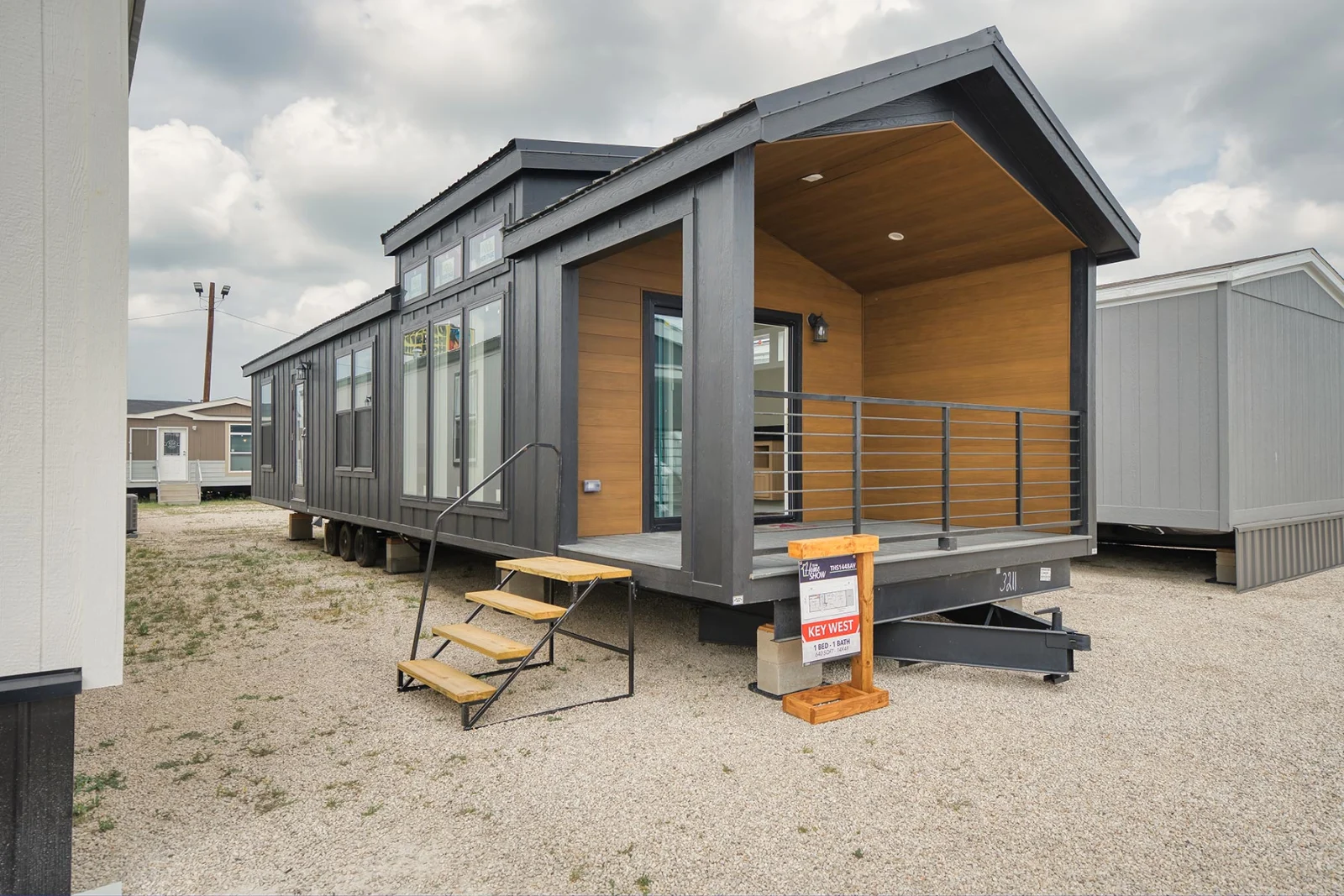
Units that have lived on the dealer floor with foot traffic walking through. Discounts run 15–22%. The trade-off: visible wear on flooring at door thresholds, fingerprints on cabinets, occasional dings from open-house events. Have all of this priced into the discount — ask for a credit, not just a price cut.
The 7 red flags that make a clearance unit a bad deal
- No factory warranty remaining. Some clearance units are 18+ months old and the structural warranty is partially burned. Verify the warranty start date in writing.
- Tarp exposure on roof. A blue tarp on the lot tells you water has been sitting somewhere it shouldn’t be.
- Soft spots in subfloor. Walk every square foot. Spongy areas mean moisture intrusion.
- Sun-faded siding. Compare a south-facing wall to a north-facing wall. Significant color delta means UV degradation already started.
- Mildew or musty smell inside. Walk in and breathe. If the smell hits you, the unit was sealed up wet at some point.
- Mismatched serial numbers between chassis and data plate. Rare but real. Confirm VIN/HUD label matches the title paperwork.
- “Sold as-is” clause in the contract. Even on clearance, you should retain the original factory warranty. Walk away from any seller who tries to nullify warranty coverage.
The 5-step clearance buying workflow
This is the process I walk first-time clearance buyers through.
Step 1 — Identify the clearance category. Ask the dealer directly: aging stock, discontinued, cancelled custom, or show unit? The answer changes how you negotiate.
Step 2 — Get factory warranty in writing. Email the manufacturer (not the dealer) with the VIN and request the warranty start date and remaining terms. Takes 24–48 hours.
Step 3 — Inspect with the 23-point list. Use our 23-point inspection checklist the same way you would on a new unit, but spend extra time on the seven red flag items above.
Step 4 — Get a competing quote on a comparable new unit. Without this, you don’t know what “14% off” actually means in dollars. The competing quote is your leverage.
Step 5 — Negotiate with the all-in number, not the sticker. Ask for free or reduced delivery, a free porch addition, a credit toward site prep, or a one-year extended warranty. Dealers will often add value rather than cut price further.
Information gain: the timing pattern that maximizes savings
I’ve tracked five years of clearance pricing across our region. Two windows consistently produce the deepest discounts.
Window 1 — the last 10 days of any quarter. Dealer sales targets close on quarter-end. Inventory that hasn’t moved gets repriced aggressively to hit numbers. March 22-31, June 22-30, September 22-30, December 22-31.
Window 2 — January through mid-February. Post-holiday foot traffic is at its annual low. Dealers are paying interest on every unit on the lot and need to clear stock before spring buying season. Average clearance discount in this window has been 18.7% in our data — over 4 points better than the annual average.
How to start your clearance search
Our current clearance and last-of-run inventory rotates weekly. To see what’s priced under MSRP this week, browse the main inventory page and look for units flagged with reduced pricing, or call (432) 242-3232 and ask the team specifically for clearance availability. We’ll send photos, the warranty status sheet, and an all-in installed quote inside one business day.
See also: used tiny homes inspection guide — clearance and used overlap on price but split on warranty status, so the two articles complement each other.