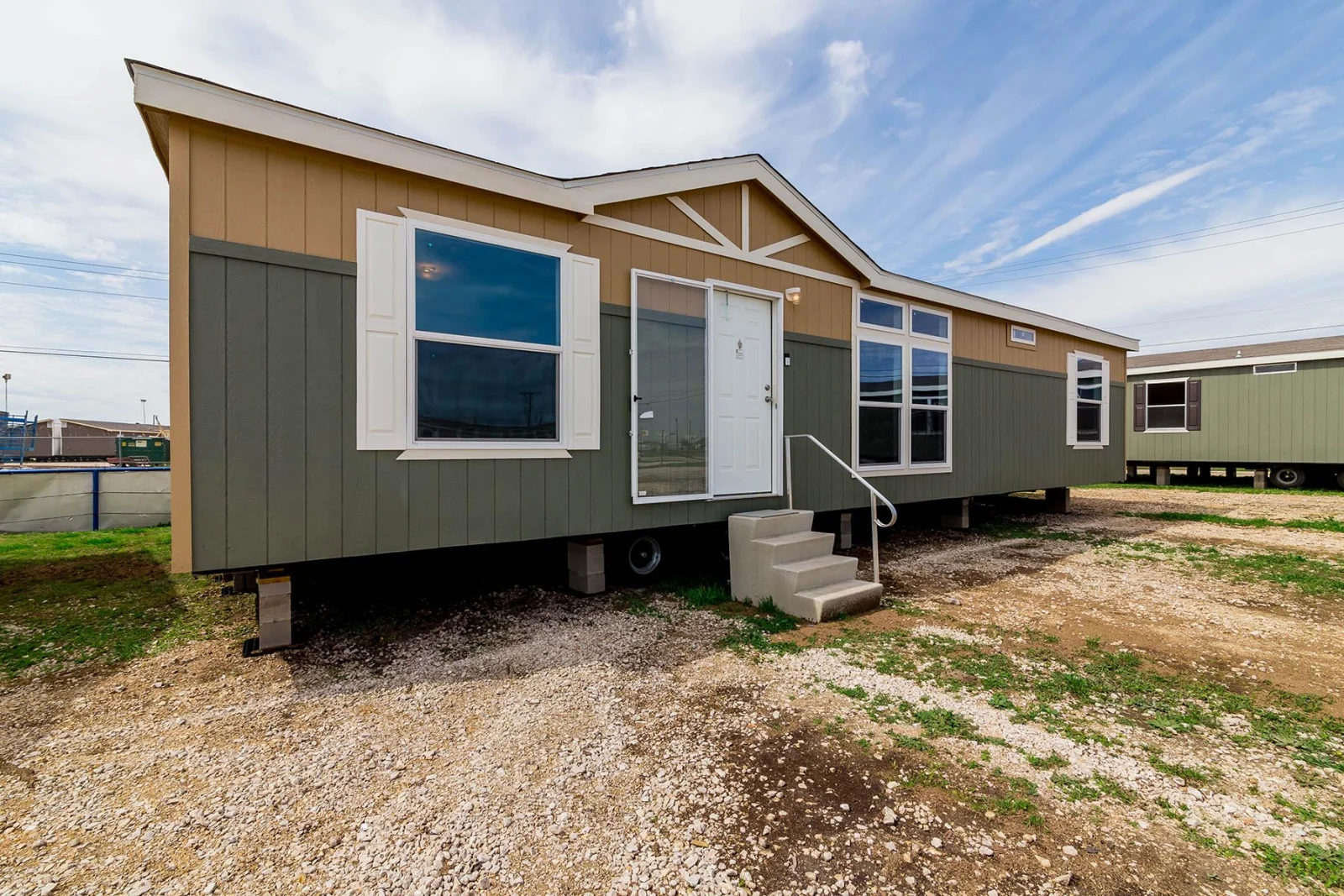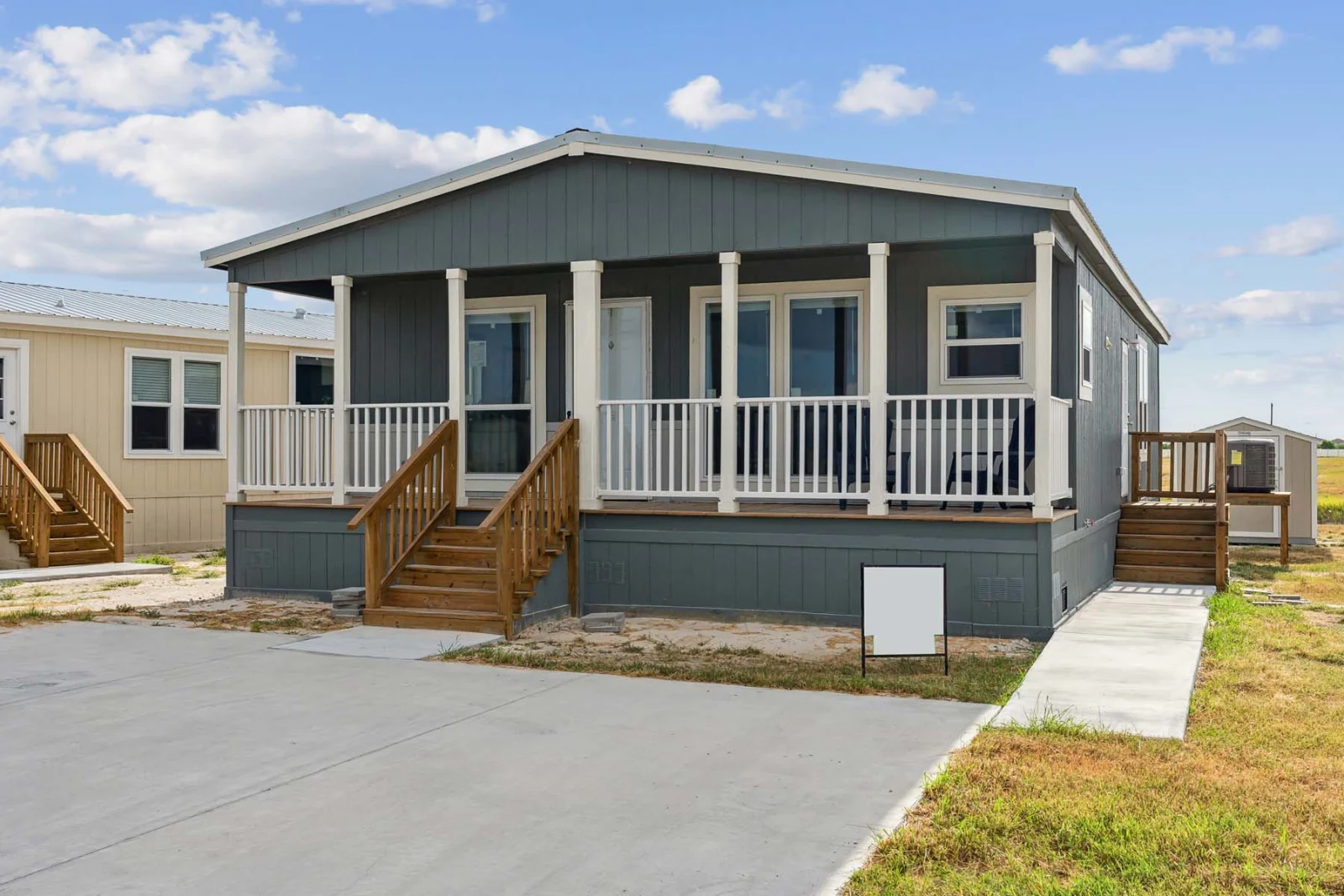
Quick answer
Used tiny homes in 2026 typically sell for 30-55% under new MSRP, depending on age, mileage, condition, and certification status. Always pull the title, run the VIN, schedule an independent inspection ($300-$600), and verify financing eligibility before depositing. Used units rarely qualify for traditional mortgages and most often finance through RV loans or personal loans.
Where to find used tiny homes
Used inventory comes from five main channels in 2026, each with different levels of risk and protection:
- Dealer trade-ins. Lowest risk. Dealers reconditioning before resale, usually with a 30-day warranty.
- Manufacturer-direct buyback. Some builders repurchase units when buyers default. Often refurbished and resold.
- Private party listings (Facebook Marketplace, Craigslist, RVTrader). Highest savings, highest risk. No warranty, sometimes title issues.
- Tiny home community resales. Park-located units with land lease transfer included. Can be excellent value if the community is well-run.
- Bank repossessions. Rare but real. Sold as-is by the lender, typically below market but with limited inspection windows.
Pricing benchmarks for used tiny homes
| Age | Typical asking price (% of original) | What to expect |
|---|---|---|
| 0-2 years | 75-90% | Near-new condition, possibly some warranty remaining |
| 3-5 years | 55-75% | Maintenance items emerging; needs full inspection |
| 6-10 years | 40-60% | Roof, water heater, appliances likely needing replacement |
| 11-15 years | 25-45% | Major systems at end of useful life; price reflects refurb cost |
| 16+ years | 15-30% | Often sold for chassis and structure only; full refurb needed |
The 9 red flags worth walking away over
- Title is missing or in someone else’s name. No title, no deal. Period.
- Active lien on the title. Cleared liens are fine. Active liens mean the seller doesn’t fully own what they’re selling.
- Soft spots in the subfloor. Indicates water damage from above or below. Fix cost runs $4,000–$15,000.
- Roof patches with mismatched material. A sign of past water intrusion that may not be fully resolved.
- Mold smell inside. Microbial growth often hides behind walls. Remediation is rarely cheap.
- Frame rust at chassis welds. Surface rust is fine; structural rust at welds is not.
- Recent appliance replacements only. Suggests insurance claim or fire damage. Ask for the reason in writing.
- Seller refuses third-party inspection. Anyone selling a sound unit will allow a 60-90 minute inspection.
- Price “too good to be true.” A $25K asking price on a unit that should be $55K usually means a hidden problem.
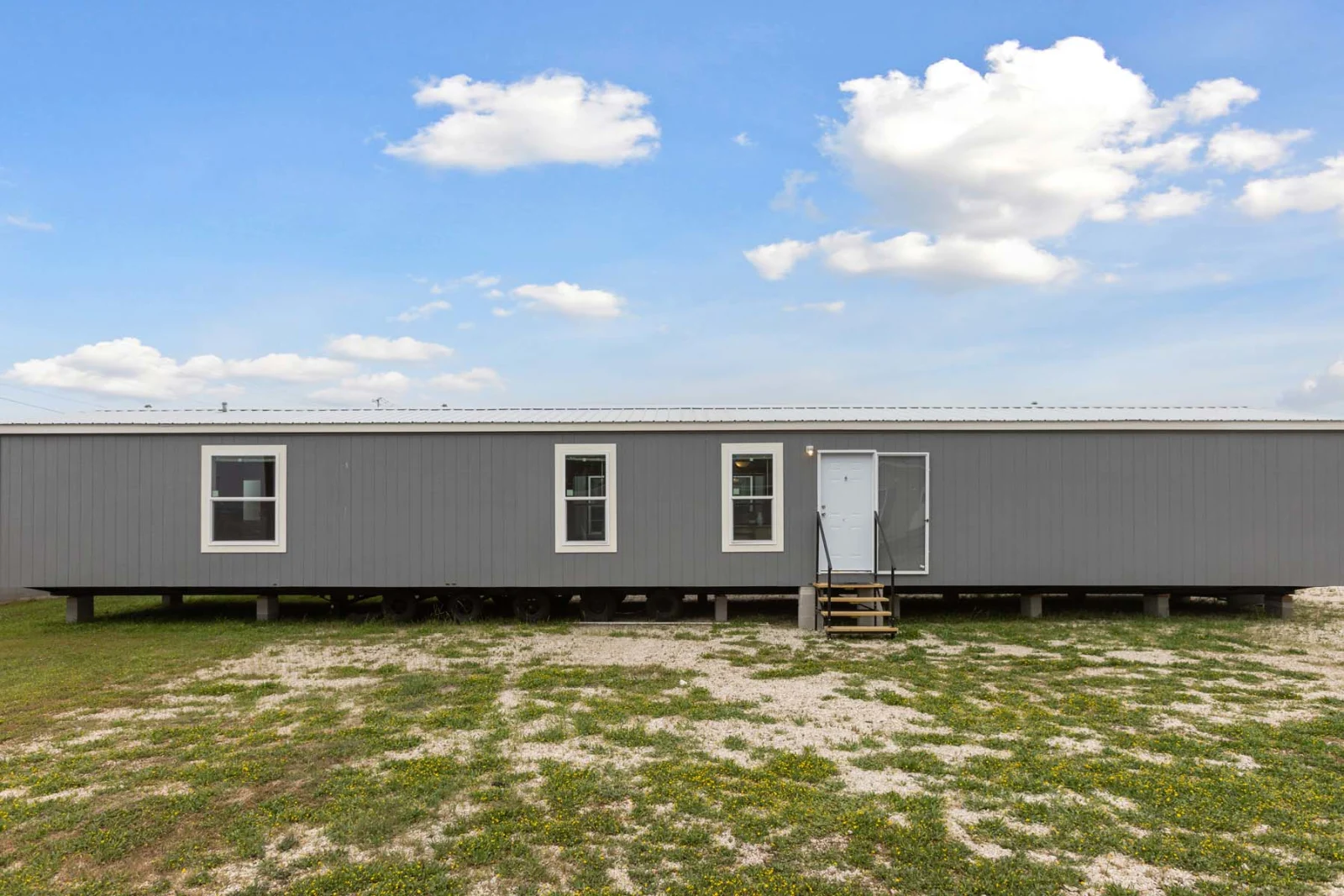
Financing a used tiny home in 2026
Financing options narrow significantly on used units. Most national lenders cap used tiny home financing at 10–12 years of age and require RVIA or HUD certification documentation. Realistic paths:
- RV loans on RVIA-certified units under 10 years old, 5-15 year terms.
- Personal loans for amounts under $50K, 3-7 year terms, higher rates.
- Seller financing directly from the prior owner, increasingly common in 2026.
- Cash purchase, used by 38% of buyers in our 2025 data. Negotiates the strongest discount.
The used purchase workflow
- Pull the title and VIN, run a title check.
- Verify certification (RVIA sticker, HUD label, or state code stamp).
- Schedule independent inspection ($300-$600 from a certified RV/manufactured home inspector).
- Confirm financing path before deposit.
- Negotiate based on inspection findings and pricing benchmarks above.
- Use a standard bill of sale plus a state-specific title transfer form.
- Schedule pickup or delivery; budget $2,500-$8,000 for relocation.
- Re-register with your state DMV (RVIA units) or county assessor (HUD units).
Information gain: the title transfer trap
The single most expensive mistake on used tiny home purchases is taking possession before completing title transfer. Here’s the scenario I’ve seen play out three times: buyer pays cash, takes the unit home, seller never signs the title. Buyer now owns a $40K asset they cannot legally insure, register, or eventually resell.
The protocol that prevents this: do the cash exchange and the signed title transfer at the same table at the same time. If that’s not possible, use an escrow service ($150–$400) that holds funds until title is recorded with the state. Do not skip this step on private-party purchases.
When buying new beats buying used
Used tiny homes save money but cost time, due diligence, and risk. Three buyer profiles should usually buy new instead: (1) buyers planning to finance more than 75% of the purchase price — lender restrictions on used units make this hard; (2) buyers who need to close inside 30 days — new units with lot inventory close faster; (3) buyers who don’t have the cash reserve to absorb a $5K-$15K post-purchase repair surprise.
If you fit one of those profiles, our new inventory under $80K is your better path. If you’re a cash buyer with time to inspect, used can be the right call — just follow the workflow above and do not skip the inspection. Questions on a specific used listing? Send the photos and asking price to /contact-tiny-homes/ and we’ll give you a 2-minute opinion.
See also: clearance tiny homes buying guide for new units priced 8-22% below MSRP — often a better path than used when warranty matters.