Quick answer
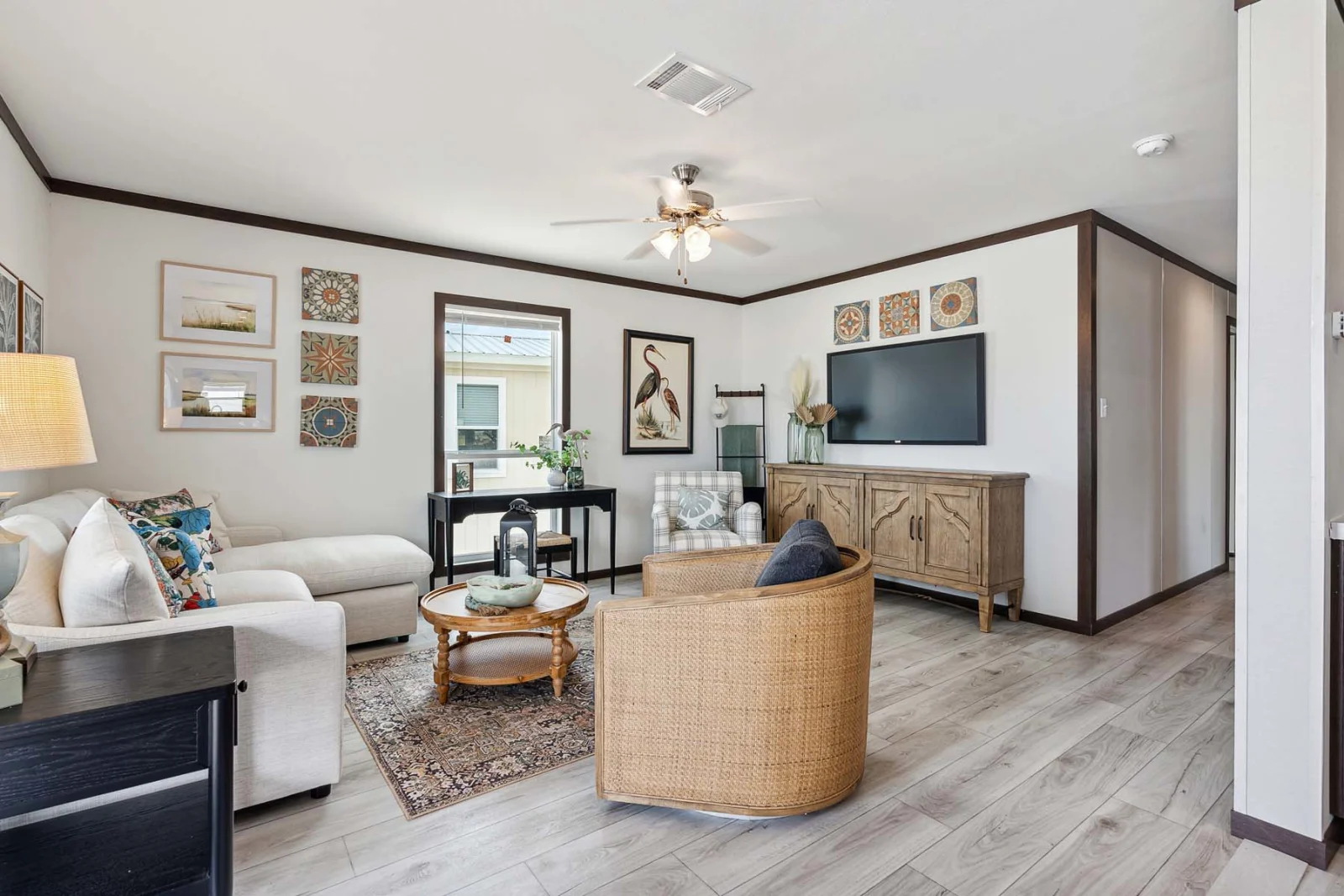
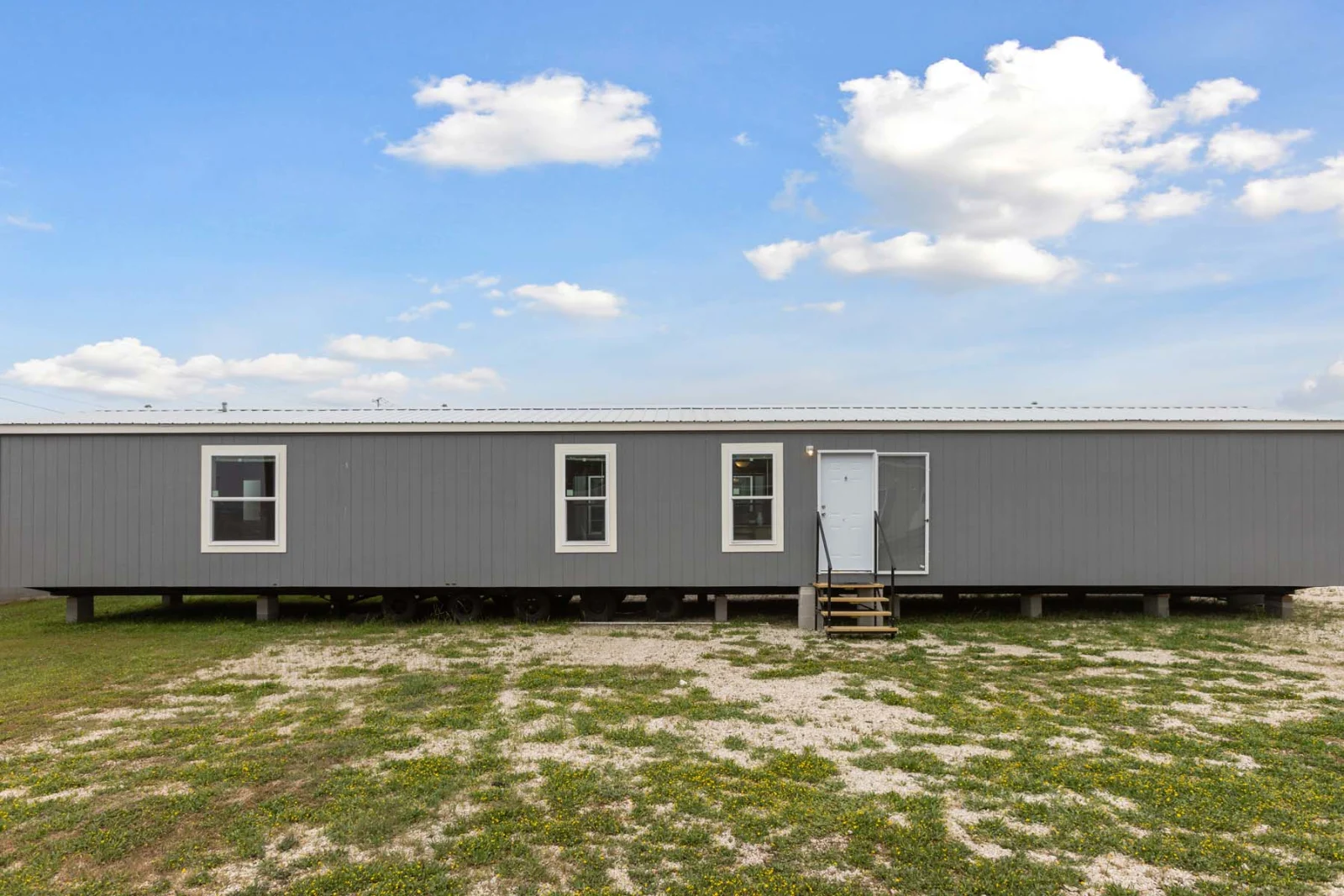
California is one of the most ADU-friendly states in 2026 thanks to SB-9, AB-2533, and the 2025 ADU law refresh. Tiny homes can be placed as detached ADUs on most single-family lots without local discretionary approval. Best counties for tiny home placement: Riverside, San Bernardino, Kern, Fresno, and Tehama. Coastal counties remain difficult due to land cost and overlay zones. Delivery from Texas: $5,800-$9,500.
Why California is unexpectedly tiny-home-friendly
The narrative says California is hostile to housing. The reality in 2026 is more nuanced: while traditional housing is famously expensive, the state has aggressively legalized accessory dwelling units (ADUs) over the past five years specifically to address the shortage. For tiny home buyers, this is a feature, not a bug.
Three pieces of state law create the opportunity: SB-9 (2022, lot splits), AB-2533 (2024, expanded ADU rights), and the 2025 ADU streamlining update. Together they mean that on most single-family lots, a homeowner can add a 400-1,200 sq ft tiny home as a permitted ADU without going through discretionary review.
The ADU pathway, step by step
- Verify your lot is single-family residential. Most R-1, R-2, and R-3 zoning qualifies under state law.
- Confirm setback compliance. 4-foot side and rear setbacks under state ADU law (cities cannot require more in most cases).
- Submit ADU permit application. California requires a 60-day permit decision — jurisdictions that miss the deadline must approve by default.
- Get utilities sized. Electric upgrade may be required if existing service is below 200 amp.
- Site prep + foundation. Permanent foundation required for ADU classification.
- Delivery and set. Standard process for HUD-code or modular units.
- Final inspection and certificate of occupancy.
Best California counties for tiny home placement
| County | Region | Land cost / acre | Why it works |
|---|---|---|---|
| Riverside | Inland Empire | $15K-$60K | Big land, growing pop, ADU-friendly |
| San Bernardino | Inland Empire | $8K-$45K | Largest county; rural acreage cheap |
| Kern | Central Valley | $5K-$20K | Lowest land cost; oil/ag economy |
| Fresno | Central Valley | $8K-$25K | Mid-cost, central, easy delivery |
| Tehama | North State | $5K-$18K | Rural, low cost, looser zoning |
The 6 cities most welcoming to tiny home buyers
- Sacramento — ADU-streamlined, urban infill opportunities, strong rental market for ADU income.
- Bakersfield — cheapest major-city land, fast permitting, growing inventory of tiny-home-eligible lots.
- Fresno — central, ADU-friendly, mid-range cost.
- Riverside — mature ADU market, strong builder ecosystem, good resale.
- Stockton — affordable, ADU-friendly, served by major delivery routes.
- Palmdale — high-desert pricing, large parcels, minimal HOA friction.
Cost reality in California
California tiny home installations cost more than most other states for three reasons:
- Permit fees: $1,800-$6,500 per ADU vs $150-$2,400 in most southern states.
- Title-24 energy compliance: requires specific insulation, heat pump, and solar-ready provisions on new construction. Adds $2,500-$8,000 to a unit spec.
- Site prep: Geo-survey often required, especially in seismic and slide-prone zones. Adds $800-$3,500.
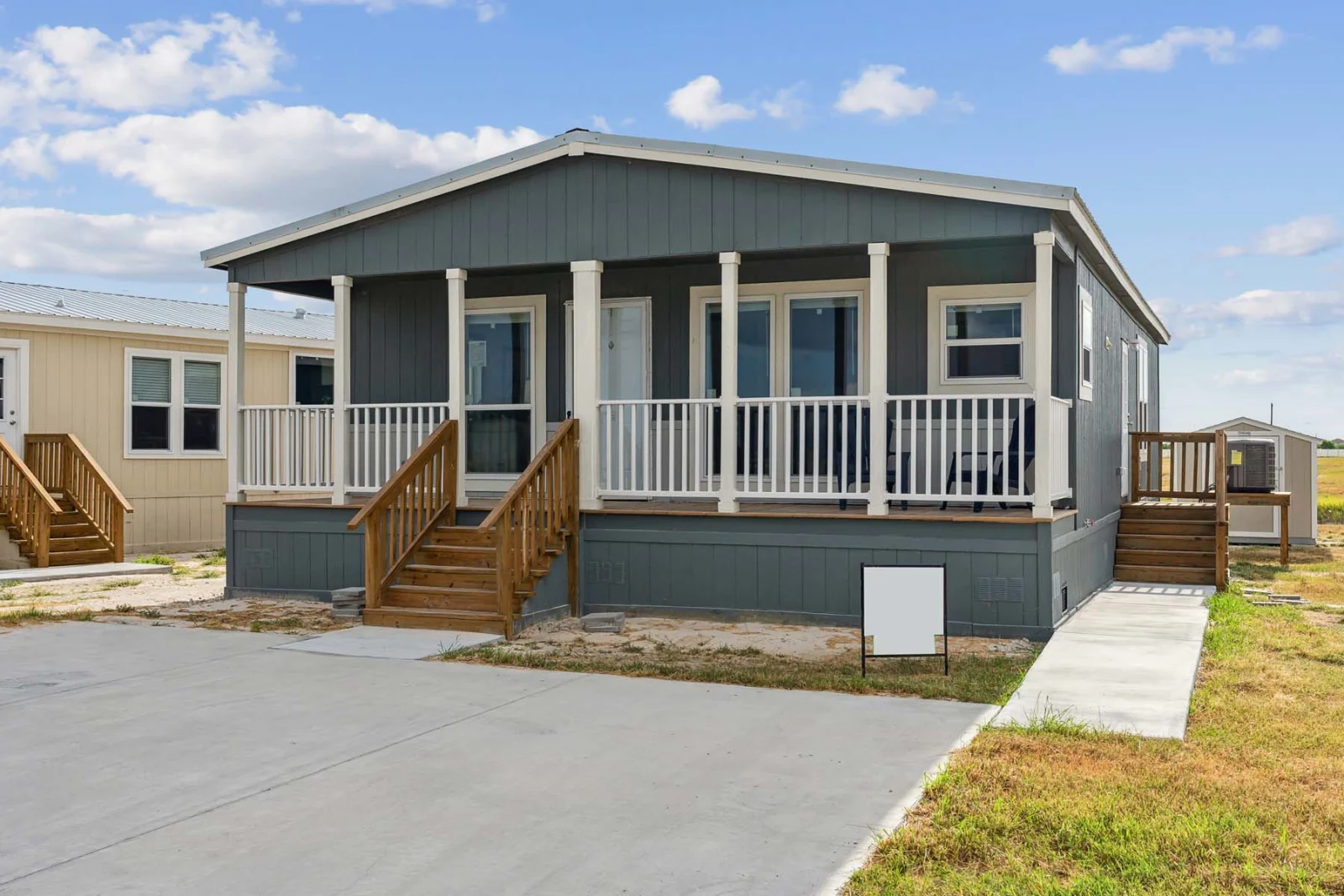
Real all-in pricing on a $77,899 Birch ADU in Riverside County typically lands $115K-$135K. Same unit in Kern County typically lands $98K-$118K. The county-by-county delta is real.
Information gain: the wildfire insurance challenge
Wildfire risk is the single biggest factor in California tiny-home insurability in 2026. Carriers including State Farm, Allstate, and Farmers have either non-renewed or restricted coverage in dozens of zip codes designated “very high fire hazard severity zones.”
The protective workflow before buying California land:
- Pull the CAL FIRE FHSZ map for the parcel.
- If the parcel is in a high or very high zone, get insurance quotes before closing on the land.
- Verify the FAIR Plan (state-backed insurer of last resort) writes the unit type at that location.
- Budget defensible-space landscaping ($2K-$6K) and Class A roof rating as required.
I’ve seen buyers commit to California land before realizing no carrier would write the property. This is the single most important pre-purchase check in California — ahead of zoning, ahead of permitting, ahead of everything else.
Should you buy a tiny home in California?
Yes, if you target inland counties (Riverside, San Bernardino, Kern, Fresno, Tehama), you have insurance quoted before land purchase, and you budget the higher permit and Title-24 costs into your all-in number. The upside on appreciation, rental income, and aging-in-place flexibility makes California one of the strongest long-term tiny-home markets in the country.
Get an all-in California quote at /contact-tiny-homes/ or browse CA-eligible models — we’ll route you to the right wind/seismic/Title-24 spec for your destination county.