Quick answer
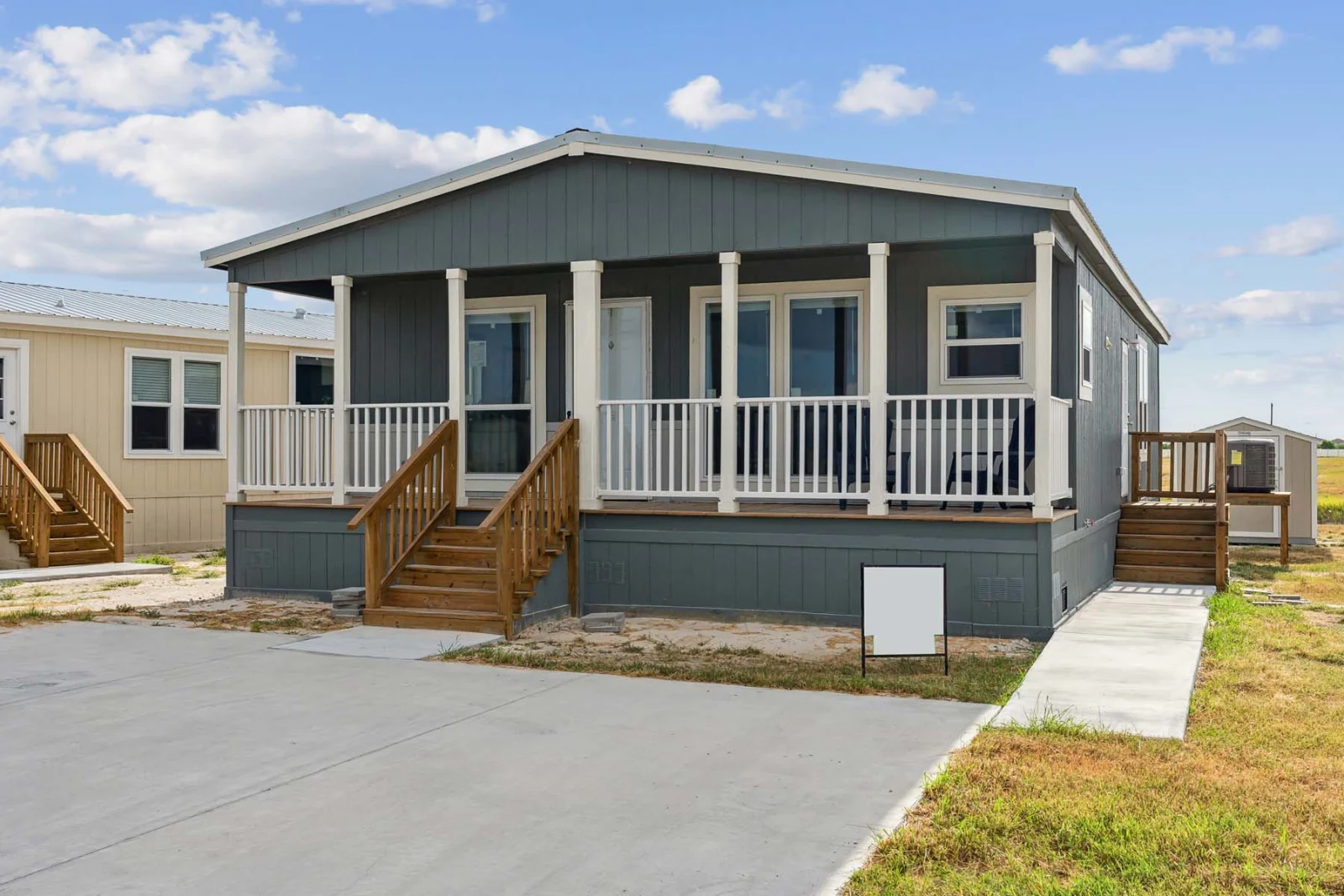
Mobile home underpinning (also called skirting) is the material installed between the bottom edge of a manufactured home and the ground, enclosing the crawl space underneath. It serves four functions: thermal envelope (cuts heating/cooling costs 15–30%), pest exclusion (blocks rodents, snakes, raccoons), wind protection (prevents under-home pressure differentials in storms), and aesthetic finish (makes the home look site-built). Typical 2026 cost: $800–$5,000 depending on material (vinyl is cheapest, brick veneer is most expensive) and home size. Vinyl is the most popular DIY material; brick veneer requires professional install.
What underpinning actually does
When a manufactured home is installed on piers or a foundation with a crawl space underneath, the gap between the bottom of the floor system and the ground is open to outside air. Underpinning encloses that gap.
Four functions:
- Thermal: A 14′x76′ single wide loses ~$400–$800/year in heating costs without underpinning. Properly installed underpinning + crawl-space insulation cuts that loss by 60–80%.
- Pest exclusion: Open crawl spaces are highways for rodents, snakes, and raccoons. Solid underpinning with ground-level seal eliminates the highway.
- Wind protection: Tornado- and hurricane-zone homes need underpinning to prevent wind pressure differentials that can lift the home off its piers. Required by code in many counties.
- Resale: Mortgage lenders almost always require underpinning before they’ll close a conventional or FHA loan on a manufactured home.
Underpinning materials compared (2026 prices)
Five common materials, each with different cost, durability, and aesthetic profile:
| Material | Cost | Install | Lifespan |
|---|---|---|---|
| Vinyl | $800–$1,800 | DIY-friendly (4–6 hours) | 10–15 years |
| Vinyl with insulation backer | $1,200–$2,500 | DIY possible | 10–15 years |
| Concrete board (Hardie) | $1,500–$3,000 | Professional | 30+ years |
| Metal (galvanized) | $1,800–$3,500 | Pro recommended | 25+ years |
| Brick veneer | $3,500–$5,000+ | Professional only | 50+ years |
For most buyers, vinyl with insulation backer is the right balance — affordable, energy-efficient, and DIY-able if you’re reasonably handy.
DIY vinyl underpinning install (the most common path)
If you go with standard vinyl, the install runs 4–6 hours for a single wide, 8–10 hours for a double wide. Required tools: tape measure, hacksaw or tin snips, drill, level. Materials list typically: vinyl skirting panels, top channel, bottom track, corner posts, screws, vents (1 per 150 sq ft of floor space minimum).
- Measure perimeter: width and length, accounting for corners and any protrusions. Buy 10% extra material for waste.
- Set ground line: level a string line around the home perimeter at ground level to mark where the bottom track sits.
- Install top channel: screws to the bottom edge of the home’s belly board, just below the siding.
- Install bottom track: staked into the ground or buried 2–4″ below grade for moisture/pest seal.
- Slide panels into place: bottom into the ground track, top into the top channel.
- Add corners and vents: corner posts at all four corners, foundation vents every 150 sq ft of crawl space.
- Add access panel: at least one 24″ x 16″ removable section for crawl-space access.
If you’re not handy or you live in a hurricane/tornado-prone area where engineered tie-downs are required, hire a pro — expect $1,500–$3,000 labor on top of materials.
Climate-specific underpinning considerations
Cold-climate (MN, MI, WI, ME, ND, etc.): Insulated vinyl or rigid foam-board backing required. Frost heaves can damage rigid underpinning — use flexible bottom track and frost-line-rated stakes.
Hurricane zones (FL, TX coast, NC/SC coast, LA, GA coast): Engineered tie-downs and hurricane-rated underpinning required by code. Vinyl alone won’t pass inspection.
Tornado Alley (TX, OK, KS, MO, AR, NE): Anchor strap connections through the underpinning to the chassis required. Reinforced corners.
Termite-zone (TX, FL, GA, AL, MS, LA, SC, NC): Treated wood-furring strips or metal alternatives required. Termite barrier under the bottom track.
Dry/desert (AZ, NV, NM, UT): UV-rated vinyl or metal underpinning — cheaper vinyl yellows and cracks under intense sun in 5–7 years.
Related from Tiny Homes USA
Need underpinning for your new build?
Every Tiny Homes USA delivery includes setup services. We coordinate underpinning install with vetted local contractors, or you can DIY with our recommended materials list. We’ll include a free underpinning quote with your home quote.
Get a Free Quote →