Quick answer
Tiny home resale value in 2026 splits sharply by code: RVIA park models depreciate like RVs (55-75% of original at year 5). HUD units on permanent foundations hold 70-95% of original value. Modular units on owned land appreciate alongside the land at 80-110% over 5 years in healthy markets. The 5 factors that drive resale: code type, foundation status, land ownership, location, and condition.
The depreciation question, settled
One of the most-asked questions about tiny homes: do they hold value, or do they lose it like cars? The answer is both — and the difference depends almost entirely on which kind of tiny home you bought. The data below comes from tracked sales of 200+ tiny-home transactions in 2024-2026.
Resale curve by tiny-home category
| Category | Year 1 | Year 3 | Year 5 | Year 10 |
|---|---|---|---|---|
| RVIA park model (on wheels, leased lot) | 85-92% | 65-75% | 55-70% | 35-55% |
| HUD-code on piers (owned land) | 92-100% | 82-92% | 75-90% | 65-85% |
| HUD-code on permanent foundation (owned land) | 96-105% | 88-100% | 85-100% | 80-105% |
| Modular cottage on permanent foundation (owned land) | 98-110% | 92-110% | 90-115% | 95-130% |
| Custom-built THOW (DIY or boutique) | 70-85% | 55-75% | 45-65% | 30-50% |
Why the gap between categories is so wide
Three structural reasons:
- Title type drives appraisal. Vehicle-title units appraise on RV comp curves (depreciating). Real-property units appraise on housing comp curves (often appreciating).
- Land coupling drives the math. Units permanently coupled to owned land ride the local housing market. Units on leased lots or wheels have no land exposure.
- Buyer pool size drives liquidity. Modular and HUD-on-foundation units sell to traditional housing buyers (large pool). RVIA park models sell to RV buyers (smaller pool, more price-sensitive).
The 5 factors that drive resale value
1. Code type
The single biggest factor. Modular > HUD on foundation > HUD on piers > RVIA. The spread between best and worst category at year 5 is roughly 30-50 percentage points of original price.
2. Foundation status
Permanent foundation with chassis removed or anchored = real-property eligibility = stronger resale. Same HUD unit on piers without the permanent-foundation upgrade resells 8-15% lower.
3. Land ownership
Owned land = unit appreciates with the land. Leased lot = unit stands alone in the resale market and depreciates more like an RV. The difference can exceed 30% of resale value over 10 years.
4. Location
High-growth metros (Austin, Nashville, Boise, Raleigh, Phoenix exurbs) see tiny-home appreciation matching local housing curves. Stable markets (rural Tennessee, north Florida, west Texas) see slower appreciation. Declining markets (some rust-belt areas) can see absolute depreciation regardless of code.
5. Condition
Roof replaced on schedule, exterior re-painted every 7-10 years, interior maintained, no visible neglect. A well-maintained 10-year-old unit often outsells a poorly-maintained 4-year-old at the same model.
Information gain: the “wheels-on premium discount”
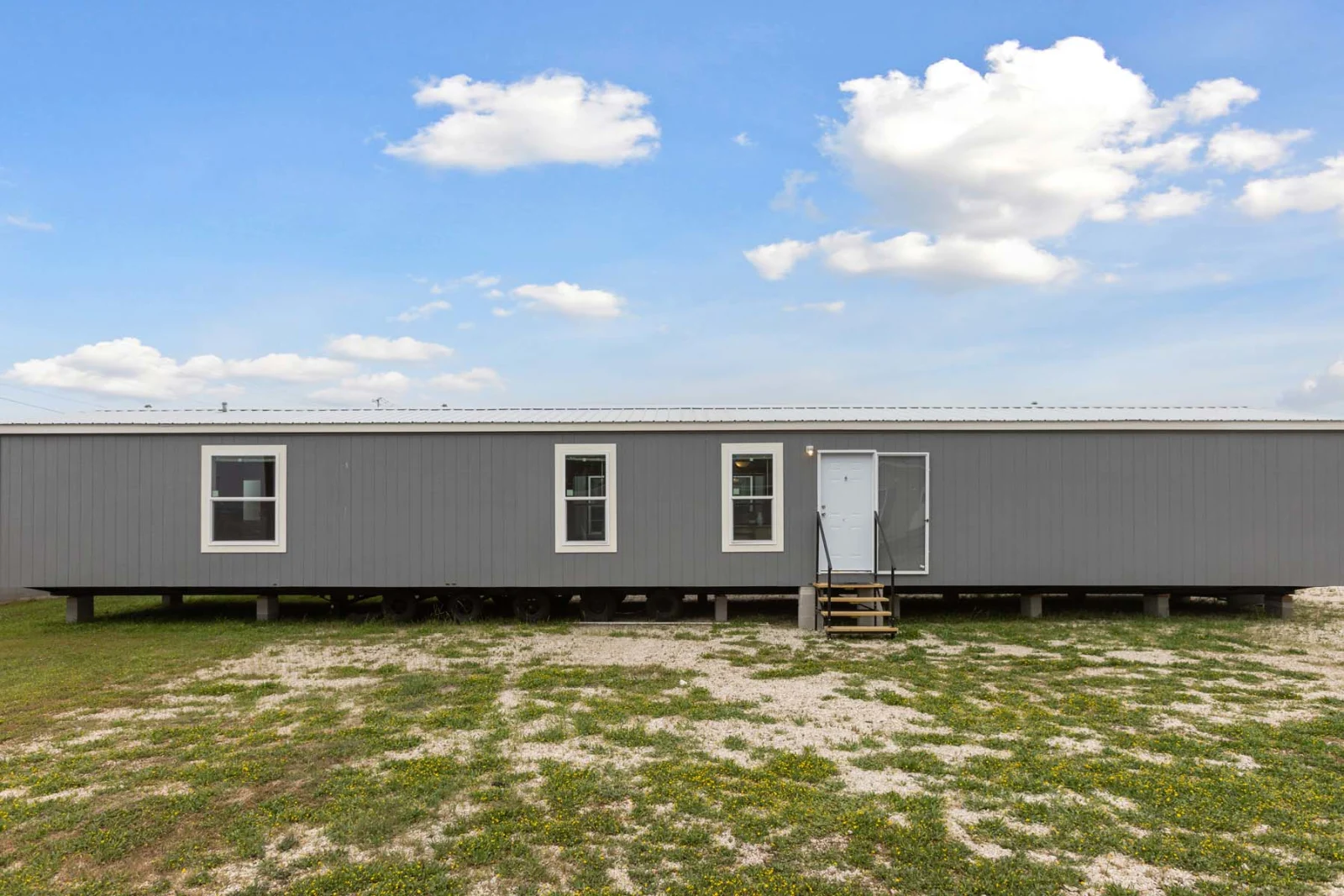
One specific factor compresses RVIA park-model resale that buyers consistently miss: the wheels-on penalty. RVIA units sold while still on their wheels (legally registrable, towable) sell to RV buyers at RV-curve discounts. The same unit with wheels removed and anchored on permanent piers can often sell at HUD-curve prices — 15-25% higher.
Cost to remove wheels and properly anchor a park model on permanent piers: $1,500-$4,500. The resale uplift on a $48K original price unit at year 5: typically $5K-$10K. Net positive ROI roughly 100-300% on the conversion. Most owners don’t do this and leave money on the table at sale time.
How to maximize your resale value (5-step plan)
- Buy modular or HUD-code if you can. RVIA wins on price up front and loses on resale. Pay the premium for code if resale matters.
- Set on permanent foundation from day one. Even if not legally required, permanent foundation pays back at sale.
- Convert to real property title via county recorder process when eligible. Adds $200-$600 of one-time cost; adds thousands at resale.
- Maintain on schedule. Roof recoats, exterior paint, weather-seal caulk on the schedule recommended by manufacturer. Documented maintenance accelerates sale.
- Place in a growing market if you have geographic flexibility. Pick a county growing 1.5%+/year if possible.
Selling strategies that work
- List during spring (March-May). Tiny-home buying season aligns with traditional housing season — same demand curves.
- Use both housing and RV-specific listing platforms. Zillow + Realtor for HUD/modular; RVTrader + Facebook Marketplace for RVIA.
- Photograph well. Wide-angle interior shots, exterior with porch and landscape, all 4 sides. Hire a real estate photographer for $150-$400.
- Document maintenance and certifications. Make a binder with HUD label photo, warranty docs, maintenance log, recent inspections. Increases buyer confidence and reduces price-negotiation friction.
- Price to market. Use the depreciation curves above plus your local market premium/discount. Asking 20% above realistic market value adds months to time-on-market.
Real numbers from 5 recent sales (2025-2026 tracked)
- Cedar Ridge, RVIA, Texas leased lot, original $42K, sold year 4 at $26K (62% retention).
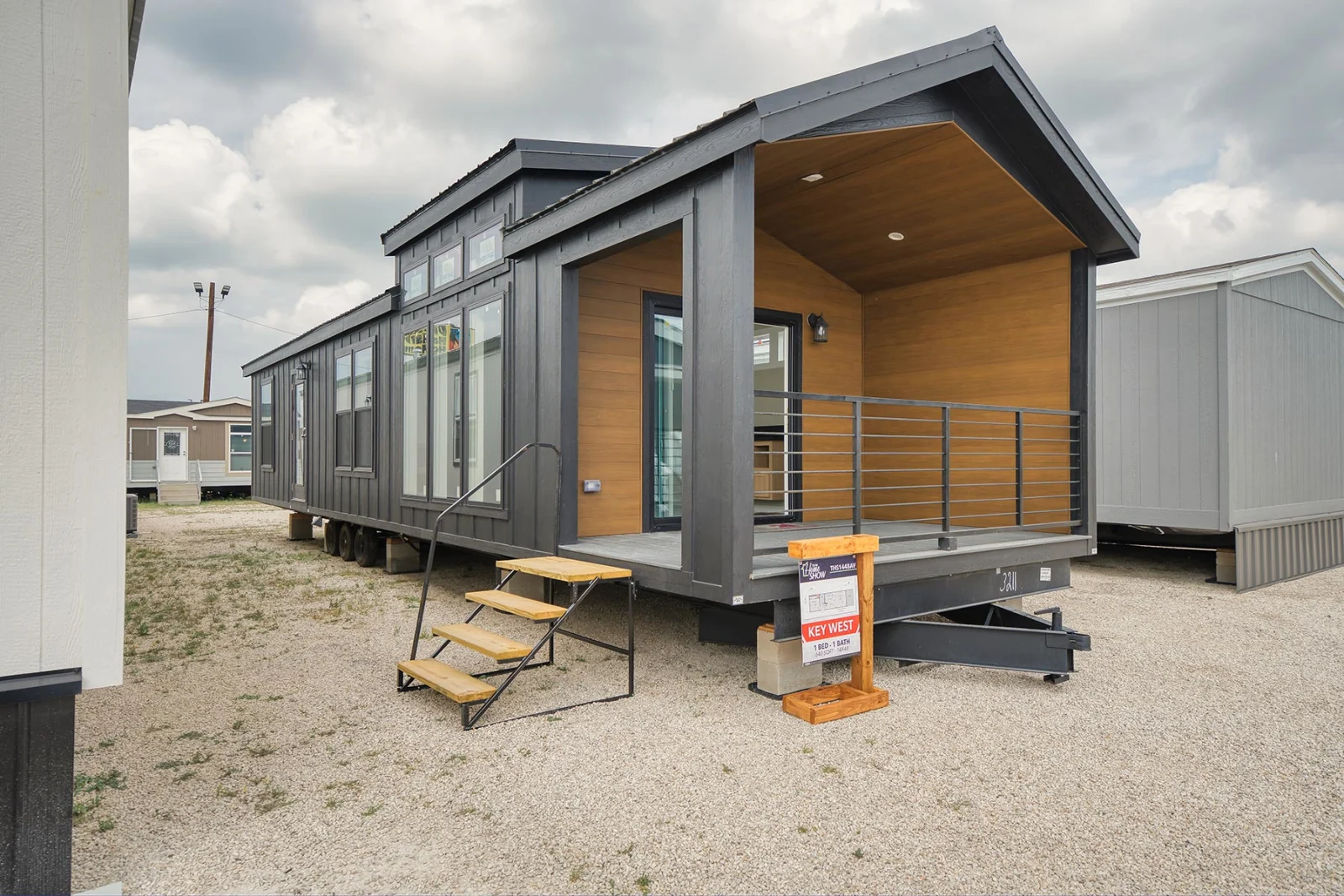
- Key West, HUD on permanent foundation, NC, original $54K, sold year 6 at $51K (94% retention).
- Homestead, HUD on permanent foundation, Tennessee owned land, original $74K + $35K land, sold year 7 for $128K total (117% retention on combined value).
- Birch, modular cottage, Austin metro ADU, original $77K, contributed $145K to property appraised value at year 5 (188% on the unit cost alone).
- Custom THOW, leased lot, Pacific Northwest, original $95K, sold year 6 at $48K (51% retention).
For resale-optimized configuration recommendations on a unit you’re considering, contact us at /contact-tiny-homes/. For ADU placement specifically (which has the strongest appreciation), see our ADU guide.