Quick answer
Tiny home exterior options in 2026: vinyl siding (cheapest, low maintenance), fiber cement (Hardie) (best value long-term), real wood (premium aesthetic, higher maintenance), steel or aluminum panel (modern, durable), cedar shingle (premium coastal/mountain), and stone or brick veneer accents. For most buyers in most climates: fiber cement wins on combined cost-of-ownership.
Why exterior choice matters
Exterior siding is the unit’s first defense against weather and the first thing buyers see at resale. The wrong material in the wrong climate fails early (warping, fading, rot, denting). The right material lasts 30-50 years with minimal maintenance.
Like roofing, the wrong exterior choice rarely catastrophic. The right choice can save $5K-$15K in mid-life maintenance plus 5-10% of resale value.
The 6 exterior material options
1. Vinyl siding
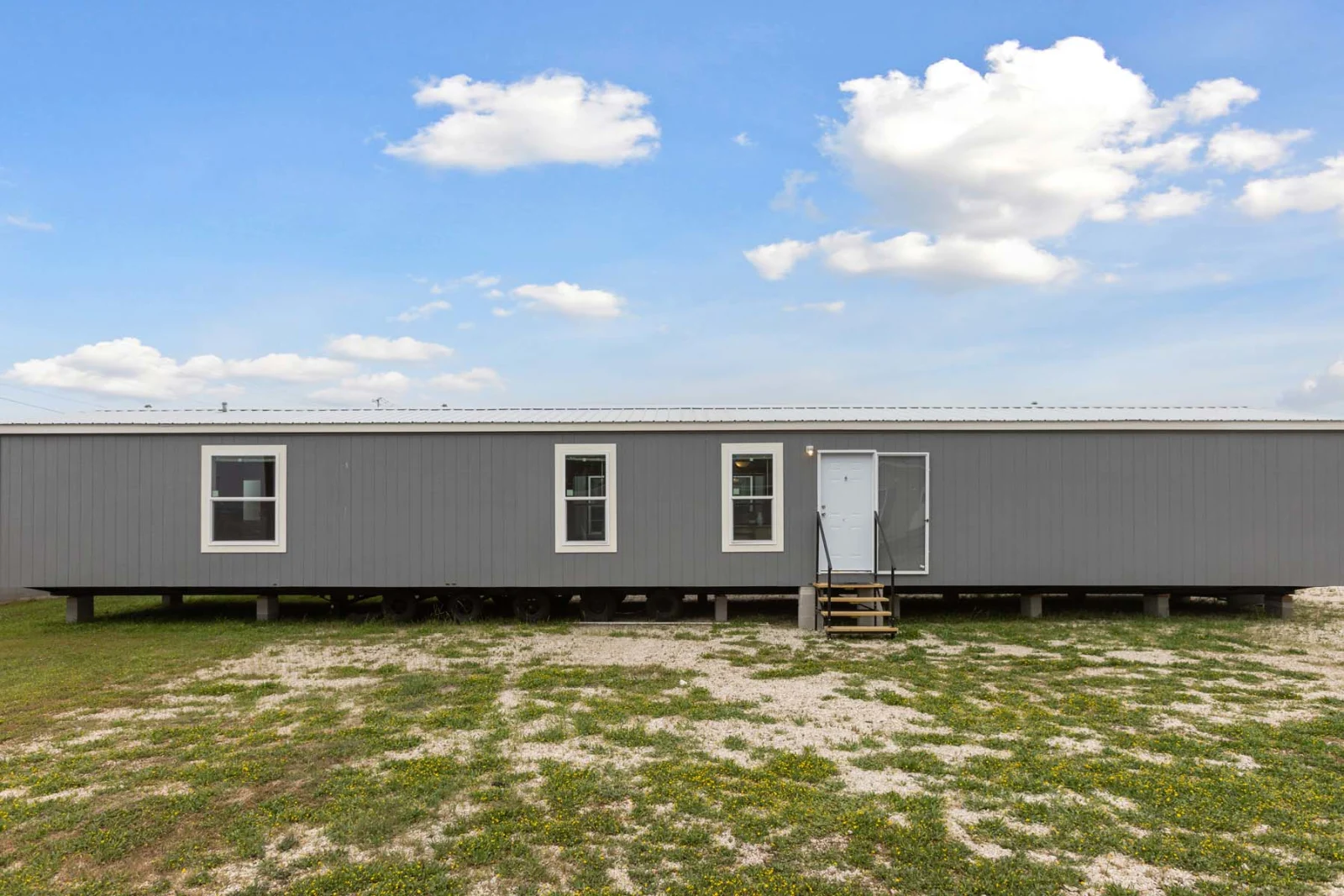
The most common exterior on tiny homes in 2026. Cheapest, near-zero maintenance, decent durability. Cost: baseline (often included in base price). Lifespan: 25-40 years. Best for: budget builds, mild climates, rental properties.
Limitations: dents in hail, can warp in extreme heat (Arizona, Texas summer), aesthetic feels less premium at resale.
2. Fiber cement (Hardie or similar)
Cement-based composite. Premium-feeling aesthetic, exceptional durability, fire-resistant. Cost: $1,500-$4,500 above vinyl. Lifespan: 50+ years. Best for: long-term residence, fire-prone regions, resale-focused buyers.
Strongest combined-category ROI of any exterior material.
3. Real wood (cedar, pine, redwood)
Authentic wood siding, typically clear-coated or stained. Cost: $2,500-$6,500 above vinyl. Lifespan: 25-40 years with maintenance. Best for: cabin or cottage aesthetic, buyers committed to maintenance.
Maintenance requires re-staining every 3-5 years; ignore that and the wood degrades fast.
4. Steel or aluminum panel
Metal panel siding (corrugated, ribbed, or flat). Cost: $1,800-$5,000 above vinyl. Lifespan: 40+ years. Best for: modern aesthetic, hot climates, fire-prone areas.
Highly durable, some thermal-bridging concerns in cold climates without proper insulation.
5. Cedar shingle (Western red cedar)
Individual shingles. Cost: $3,500-$8,000 above vinyl. Lifespan: 30-50 years with treatment. Best for: coastal aesthetic, mountain placements, premium custom builds.
Requires fire-rated treatment in many California and Colorado jurisdictions.
6. Stone or brick veneer (accent only)
Used on portions of exterior — foundations, lower wall sections, columns. Cost: $4-$12 per sq ft installed. Lifespan: 75+ years. Best for: aesthetic upgrade combined with another primary material.
Side-by-side comparison
| Material | Cost premium | Lifespan | Maintenance | Best climate |
|---|---|---|---|---|
| Vinyl siding | baseline | 25-40 yr | Near-zero | Mild, low-hail |
| Fiber cement | +$1.5K-$4.5K | 50+ yr | Repaint 10-15 yr | All climates |
| Real wood | +$2.5K-$6.5K | 25-40 yr | Stain every 3-5 yr | Mild, low-humidity |
| Steel/aluminum panel | +$1.8K-$5K | 40+ yr | Near-zero | Hot, fire-prone |
| Cedar shingle | +$3.5K-$8K | 30-50 yr | Treat every 5 yr | Coastal, mountain |
| Stone/brick veneer (accent) | +$4-$12 / sq ft | 75+ yr | Near-zero | All climates |
Why fiber cement wins for most buyers
Fiber cement consistently delivers the strongest combined-category ROI in tiny-home exteriors:
- Longevity: 50+ years vs 25-40 for vinyl.
- Aesthetic: Looks like wood or premium material at resale photos.
- Fire resistance: Class A rating — insurance benefits in fire-prone zones.
- Hail / impact resistance: Doesn’t dent like vinyl.
- Maintenance: Repaint every 10-15 years vs near-zero for vinyl, but each repaint costs $1,500-$3,500.
30-year cost-of-ownership comparison: fiber cement runs $4K-$8K higher up front but saves on insurance, hail damage replacement, and resale value — net positive over 15+ year ownership.
Climate-specific recommendations
- Hot/dry (TX, AZ, NM): fiber cement or steel panel.
- Hot/humid (FL, GA, LA): fiber cement (mold-resistant).
- Cold-snow (CO, NE, ND, mountain): fiber cement or steel.
- Marine moisture (PNW): fiber cement or treated cedar.
- Wildfire-prone (CA, CO): fiber cement or steel (Class A rated).
- Hurricane coast (FL, TX, NC): fiber cement (impact-resistant) with hurricane-rated install.
Information gain: the maintenance schedule reality
Most buyers underestimate exterior maintenance and overestimate what “maintenance-free” means. The honest schedules:
- Vinyl: wash every 1-2 years, inspect for damage annually, replace dented sections immediately.
- Fiber cement: wash every 1-2 years, repaint every 10-15 years ($1,500-$3,500 per repaint).
- Real wood: wash annually, re-stain every 3-5 years ($800-$2,500 per cycle), repair/replace damaged boards as needed.
- Steel/aluminum: wash annually, inspect fasteners and trim every 2-3 years, near-zero painting needed.
- Cedar shingle: annual wash, re-treat every 5 years ($1,200-$3,500 per cycle).
The cumulative 30-year maintenance cost varies dramatically: vinyl at $1K-$3K total, fiber cement $4K-$10K, real wood $12K-$22K, steel $1K-$3K, cedar shingle $10K-$18K. Real wood and cedar shingle are premium aesthetics with premium maintenance commitments.
Color and style considerations
- Neutral colors hold resale better. Whites, grays, beiges, soft blues.
- Dark colors absorb heat. Avoid in hot climates (Arizona, Texas summer); fine in cold climates.
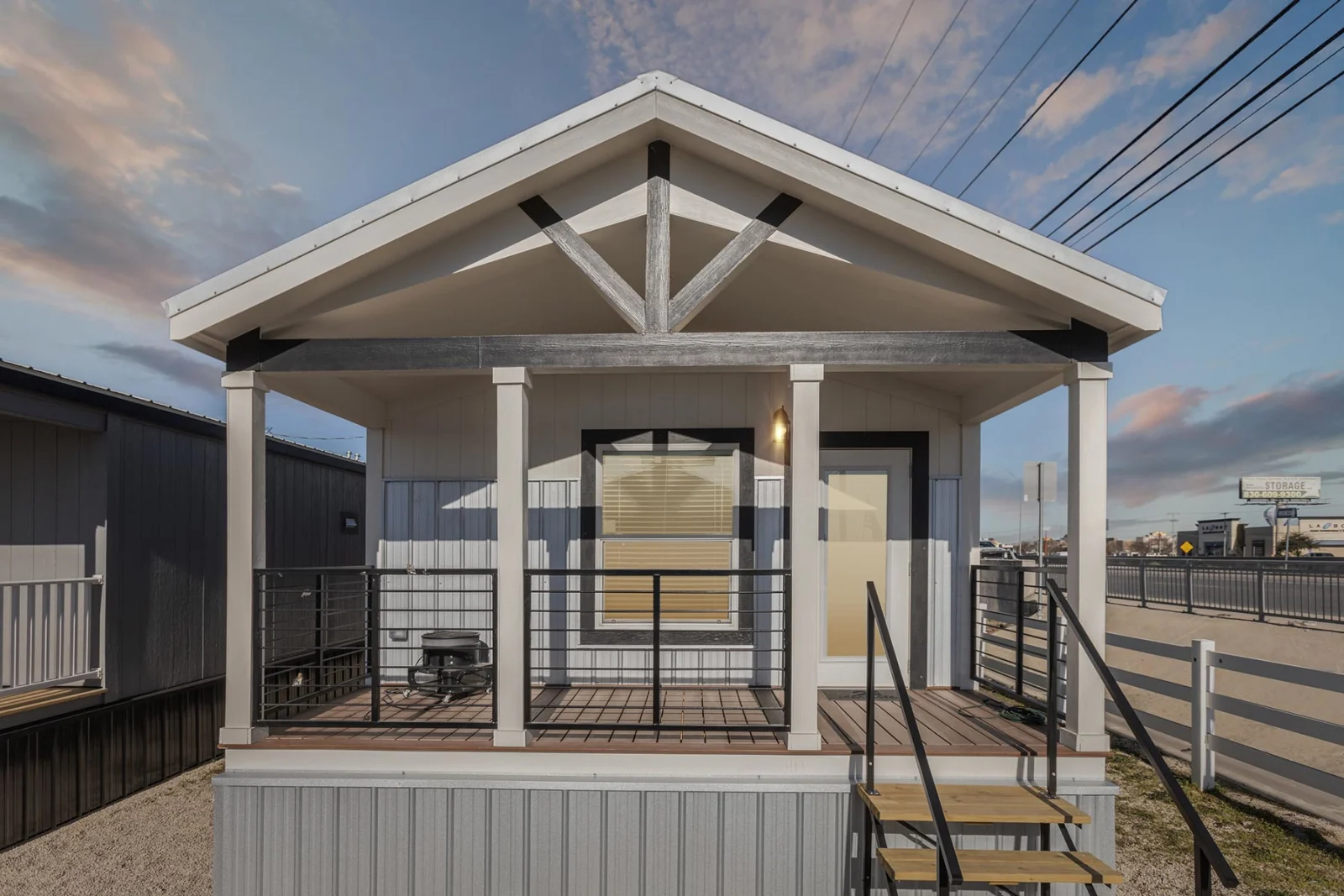
- Premium trim adds resale. Contrasting trim color, wider trim boards, custom corner accents add 1-3% to perceived value.
- Match neighborhood aesthetic for ADU placements. Tiny-home ADUs that look out-of-place in their neighborhood resell slower.
For exterior spec quotes including material, color, and trim package for your climate and aesthetic preference, contact us at /contact-tiny-homes/. For roof options that pair with each exterior, see our roof options article. For broader customization process, see our customization guide.