Quick answer
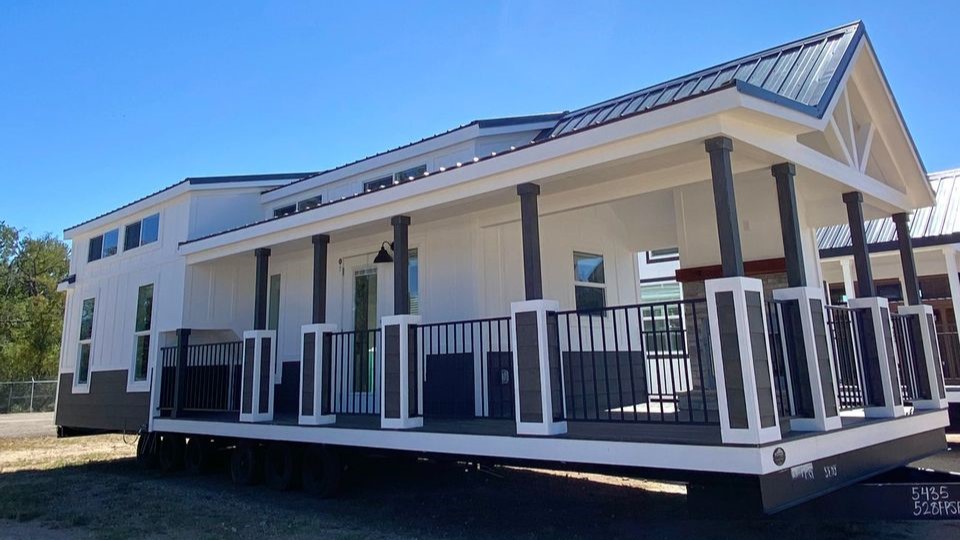
Manufactured homes are built to federal HUD code (24 CFR 3280), shipped on a steel chassis, and titled like vehicles unless converted to real property. Modular homes are built to the same state and local building codes as site-built homes, delivered in sections, and titled as real property from day one. Modular almost always appraises higher and finances through traditional mortgages.
Why this distinction matters at the bank
The single biggest reason buyers care about manufactured vs modular is financing and appraisal. A modular home is treated by appraisers and underwriters as a site-built home — it pulls comps from regular subdivisions, qualifies for conventional and FHA mortgages, and avoids the “manufactured” price haircut entirely.
A manufactured home, even on a permanent foundation, is appraised against other manufactured comps and almost always finances through a chattel loan or specialized manufactured-home mortgage. The rate spread between the two paths runs 0.75% to 2.25% in 2026.
The seven key differences
| Factor | Manufactured | Modular |
|---|---|---|
| Building code | HUD 24 CFR 3280 (federal) | State and local IRC code |
| Built on | Permanent steel chassis | No chassis — built as sections |
| Foundation | Piers, slab, or basement | Permanent foundation required |
| Title | Vehicle (DMV) until converted | Real property deed |
| Appraisal | Manufactured-home comps | Site-built comps |
| Financing | Chattel or mfd mortgage | Conventional, FHA, VA, USDA |
| Typical price/sq ft | $70-$110 | $120-$180 |
What you actually buy with a manufactured home
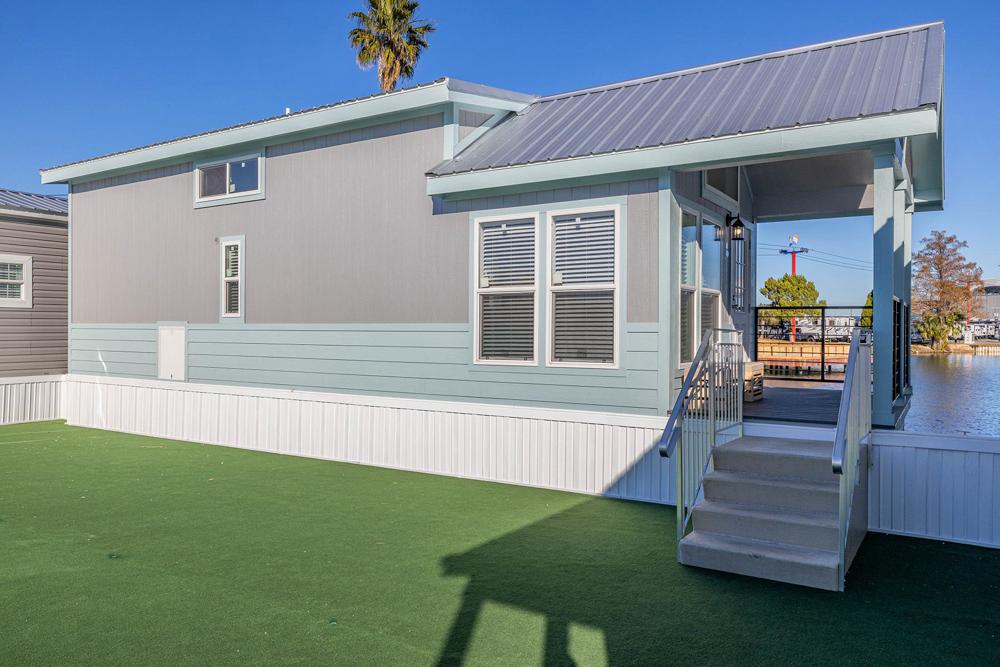
HUD-code manufactured homes are the classic American value play in housing. They’re built faster (4–8 weeks factory time), priced lower, and held to a single federal standard so a unit built in Indiana ships and installs the same way in Arizona. The trade-off is the financing and appraisal disadvantage we just discussed.
Our HUD-code units — Key West (640 sq ft, $54,899) and Homestead (840 sq ft, $75,899) — deliver finished, set on piers in one day, and are ready to occupy within a week of delivery. That’s the manufactured-home advantage in a sentence.
What you actually buy with a modular home
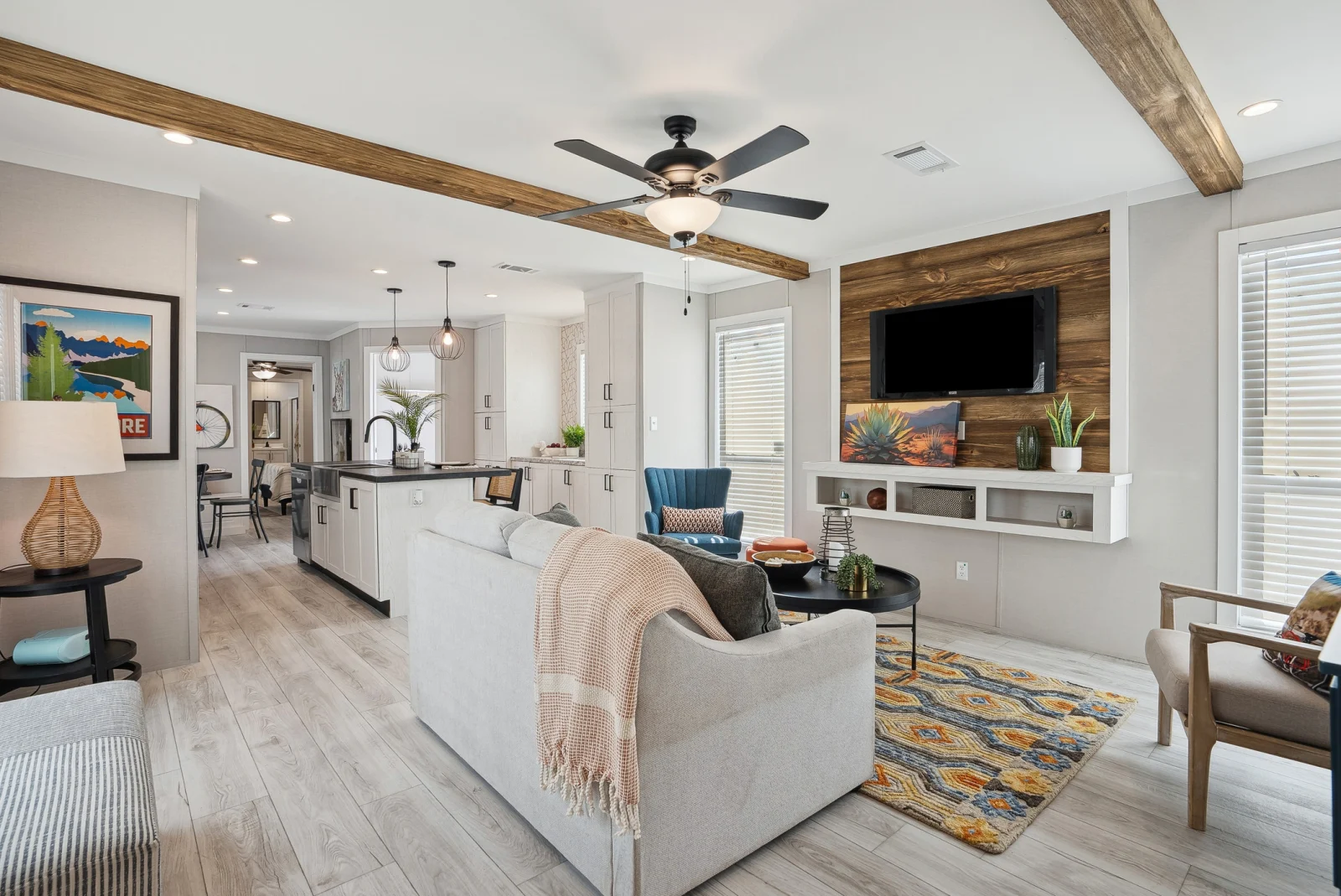
Modular homes are built in a controlled factory environment but to your state’s residential building code. The sections arrive on flat-bed trucks (no chassis), get craned onto a permanent foundation, and finish out exactly like a stick-built home. From the curb, you cannot tell a modular from a site-built — and neither can the appraiser.
Modular homes commonly run $120–$180 per square foot all-in, which puts a 1,200 sq ft modular at $144K–$216K. The premium over manufactured buys you (a) traditional financing, (b) full appraisal value, (c) no perceived stigma in resale, and (d) full equity participation in your local housing market.
Information gain: when manufactured beats modular on the spreadsheet
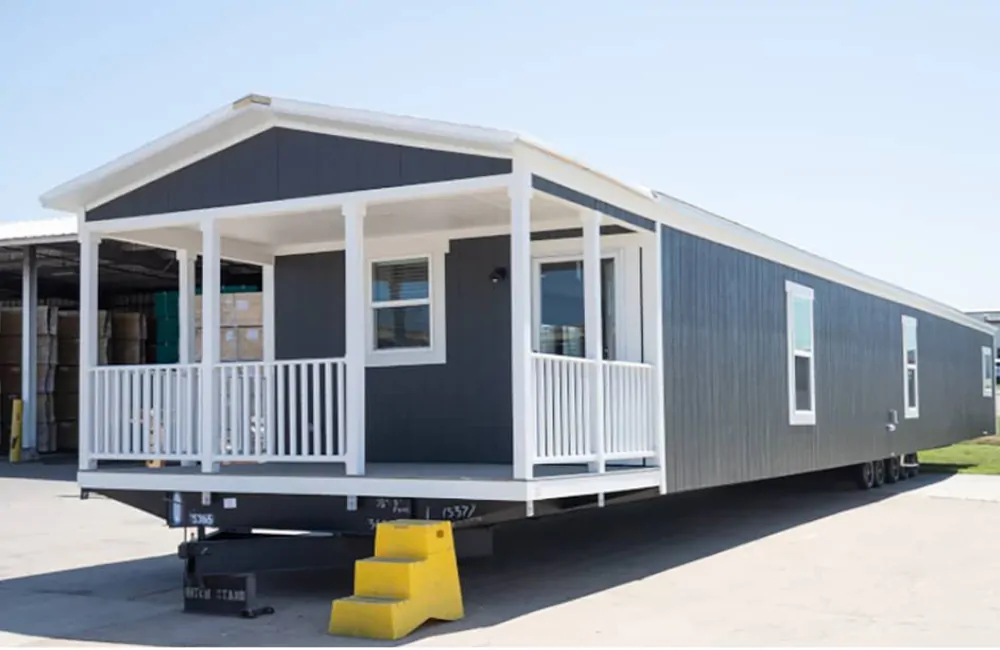
Conventional wisdom says “always go modular if you can afford it.” That’s wrong in two scenarios I see regularly.
Scenario 1 — Cash-out timeline under 5 years. If you’re buying a starter home you plan to leave inside five years, the modular premium ($60K–$120K extra) will not be recovered through appreciation. Buy the manufactured home, pay it down faster, and roll the savings into your next purchase.
Scenario 2 — Rural land with no comparable comps. Modular’s appraisal advantage depends on having site-built comps within a few miles. On 20 acres in west Texas, the closest site-built comp might be 14 miles away — appraisers will still discount. The modular premium evaporates when there’s nothing to compare against.
Recommendation by buyer profile
- First-time buyer, owned land, plan to stay 10+ years — modular if budget allows.
- Budget under $100K all-in — manufactured (HUD code).
- Rural land, off-grid plans — manufactured saves money you’ll spend on solar and well.
- Suburban infill lot, ADU project — modular almost always wins on resale.
- RV park or tiny community — manufactured (HUD) or RVIA park model only.
Send your land details and budget to /contact-tiny-homes/ and we’ll model both paths side by side, including a real local appraisal estimate from our network. You can also pre-qualify in 24 hours with no impact to your credit score.